Visiting The Vatican City: 10 Tourist Mistakes To Avoid
There are places in the world that have stopped us in our tracks. The Vatican is one of them.
Nestled inside the heart of Rome, this tiny sovereign state is the smallest country in the world. At just 44 hectares, it’s smaller than New York’s Central Park. However, it houses the papal residence, St. Peter’s Basilica, Vatican Museums, Sistine Chapel, and the Vatican gardens.
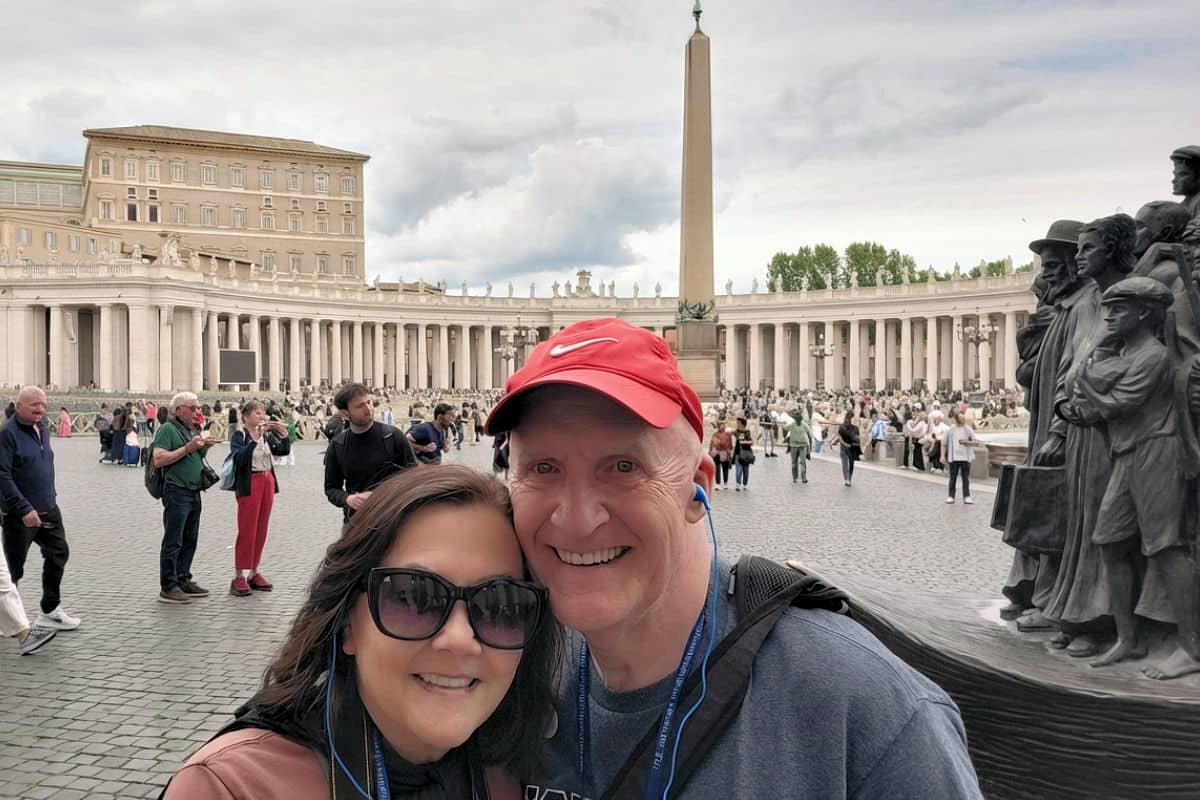
We spent a few days in Rome before a cruise and included the Vatican on our must-see list. We were genuinely stunned by the scale of it all. While we aren’t religious, stepping through those gates still felt humbling. The art, the history, the crowds — it’s overwhelming in the best and worst ways.
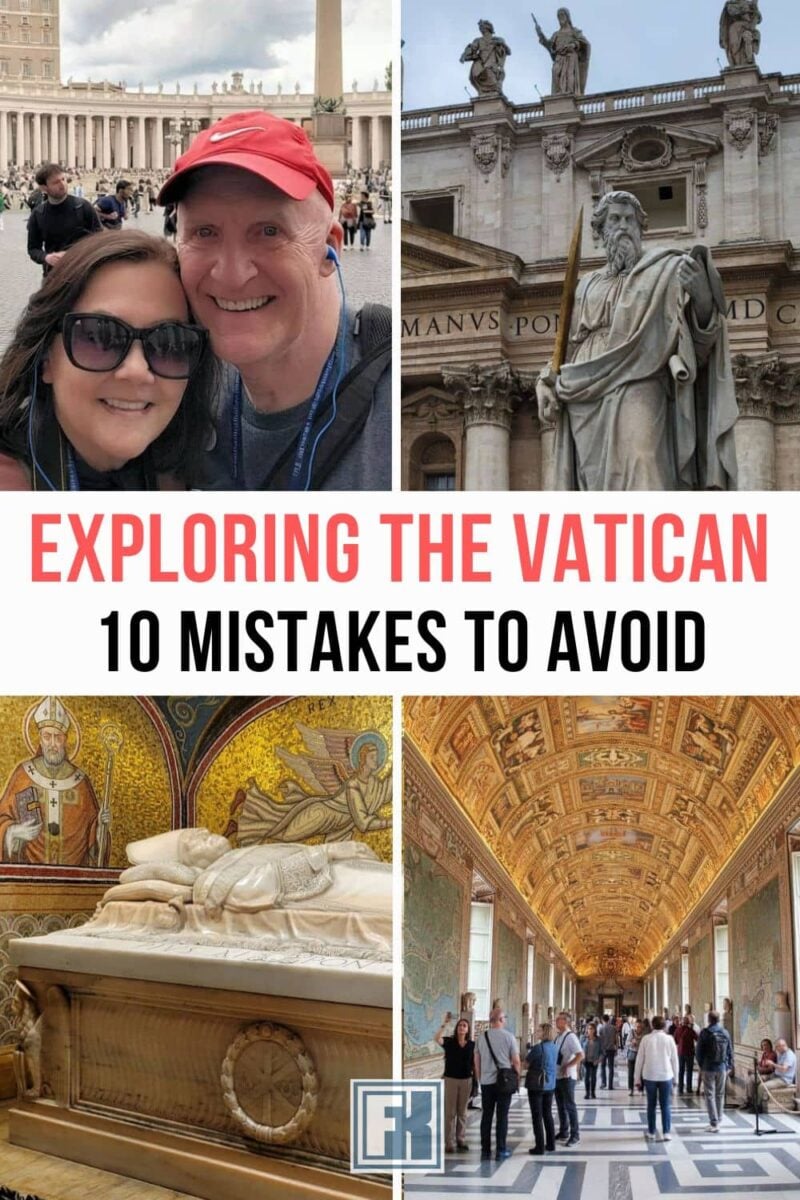
If you’re heading to Civitavecchia from Rome for a cruise, we recommend visiting the Vatican before or afterwards.
These are the most common Vatican mistakes we saw, and in a few cases, made ourselves — and how to avoid them.
1. Thinking You Can See The Vatican City In A Day
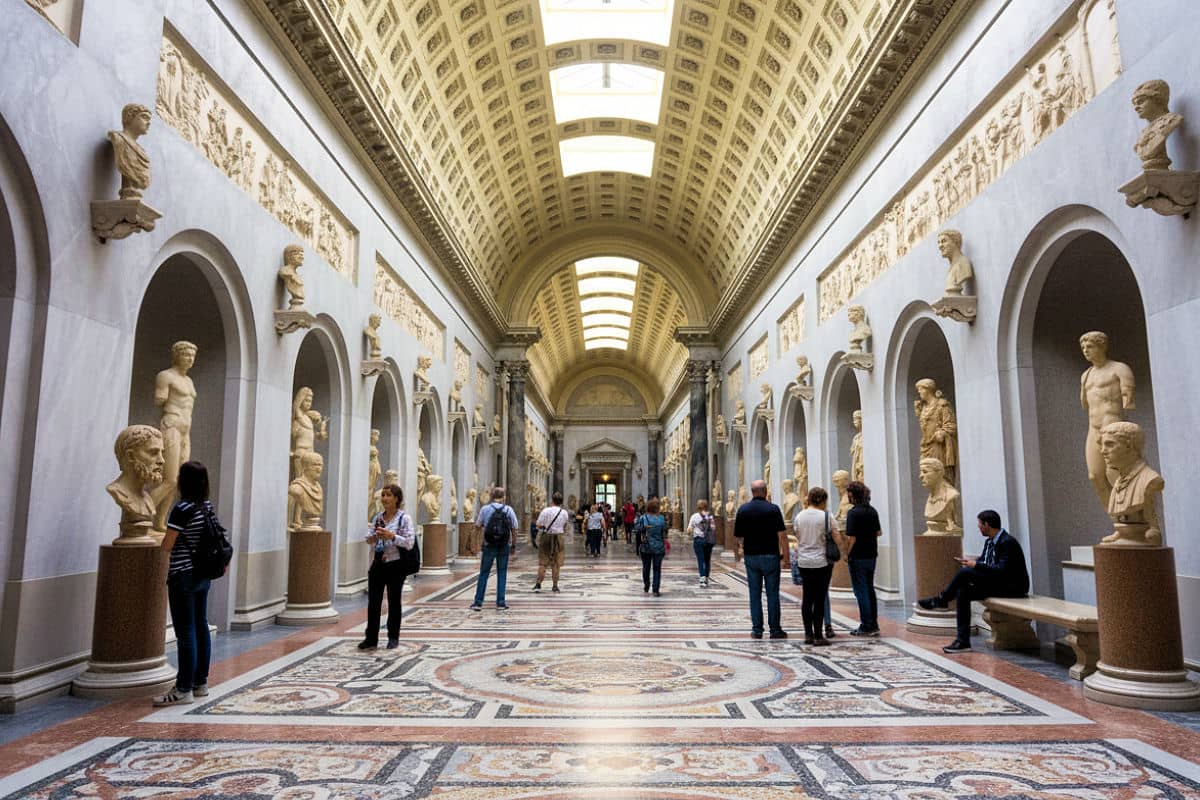
Most visitors want to see the Vatican Museums, and to call them large is an understatement. There are more than 54 galleries and nearly 9 miles of corridors. We wandered past Egyptian mummies, ancient sculptures, Renaissance tapestries, and entire walls painted with maps.
By the end, our feet were sore and our attention span was fading, long before we reached the Sistine Chapel. Beyond the museums is the Basilica, which also demands attention, and time.
A practical note: the Museums are enormous, and the Sistine Chapel is at the end of the standard route. Budget at least three hours for a meaningful visit — and more if you want to linger.
2. Not Booking Tickets Early (Or Understanding Your Options)
This is the mistake that causes the most stress. Many travelers assume they can simply show up and buy tickets at the door. We watched people stand in lines that stretched far down the street, in the sun, for hours. Some were turned away because tickets had sold out.
The Vatican is one of the most visited attractions in the world. On busy days, entry slots disappear weeks in advance. Booking ahead is not optional. It is essential. Even with tickets, we waited almost an hour to get through security.
Here are the main ticket options — and when each makes sense.
Standard timed-entry ticket – Best for travelers who want flexibility and are comfortable exploring independently. When booking through a third-party operator like GetYourGuide, Viator, or Walks of Italy, read the fine print and reviews.
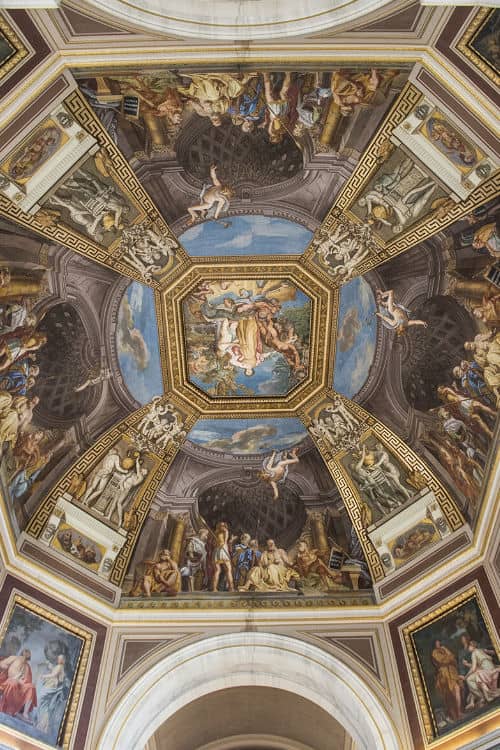
Guided tour – Best for first-time visitors who want context and efficiency. A good guide helps you understand what you’re seeing and keeps you moving through the crowds. Our guide gave details about the frescos and painted ceilings.
Early morning or after-hours tour – Best for travelers who want fewer crowds and a calmer experience. These tours cost more, but the difference in atmosphere can be dramatic.
How early should you book? 4 weeks ahead in summer, 2-3 weeks in spring and fall. The small online booking fee is absolutely worth it.
Top Vatican tour options
- Vatican, Sistine Chapel & St. Peter’s Basilica – highly rated by almost 14,000 travelers.
- Vatican City guided tour – included all the highlights of the Vatican, from the Sistine Chapel and Gallery of Maps, to the Vatican Museums.
- Early morning Vatican tour – small group with guaranteed priority access.
3. Arriving Without A Plan For What You Want To See
The Vatican Museums are not designed for casual wandering. Without a plan, it’s easy to spend hours walking past incredible art without realizing what you’re looking at, or missing the highlights entirely. Pick a few priorities before you arrive.
These were the sections that stood out most during our visit:
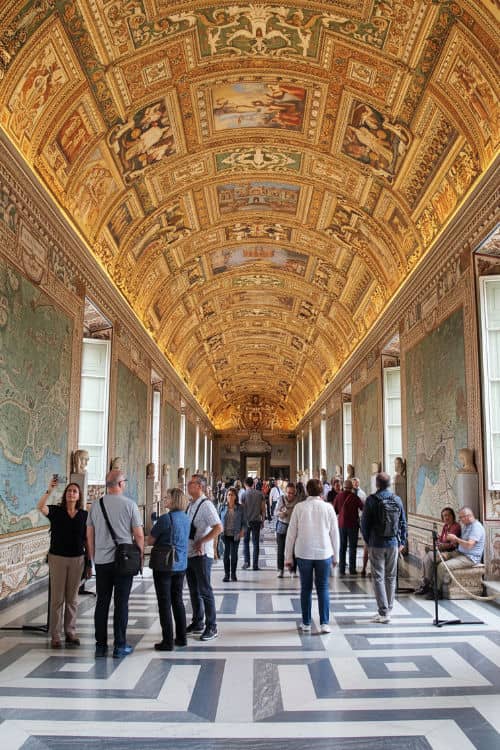
The Gallery of Maps — A 120-meter corridor lined with painted topographical maps of Italy, dating from the 1580s. The ceiling alone is worth slowing down for.
The Raphael Rooms – Four chambers painted by Raphael between 1508 and 1524, including the iconic School of Athens.
The Pio-Clementino Museum – Home to famous classical sculptures including the Apollo Belvedere and the Laocoön and His Sons.
The Pinacoteca -The Vatican’s picture gallery, with works by Leonardo da Vinci, Caravaggio, and other Renaissance masters.
The Sistine Chapel – The grand finale and always the most crowded room in the complex.
4. Trying To Combine Too Many Attractions
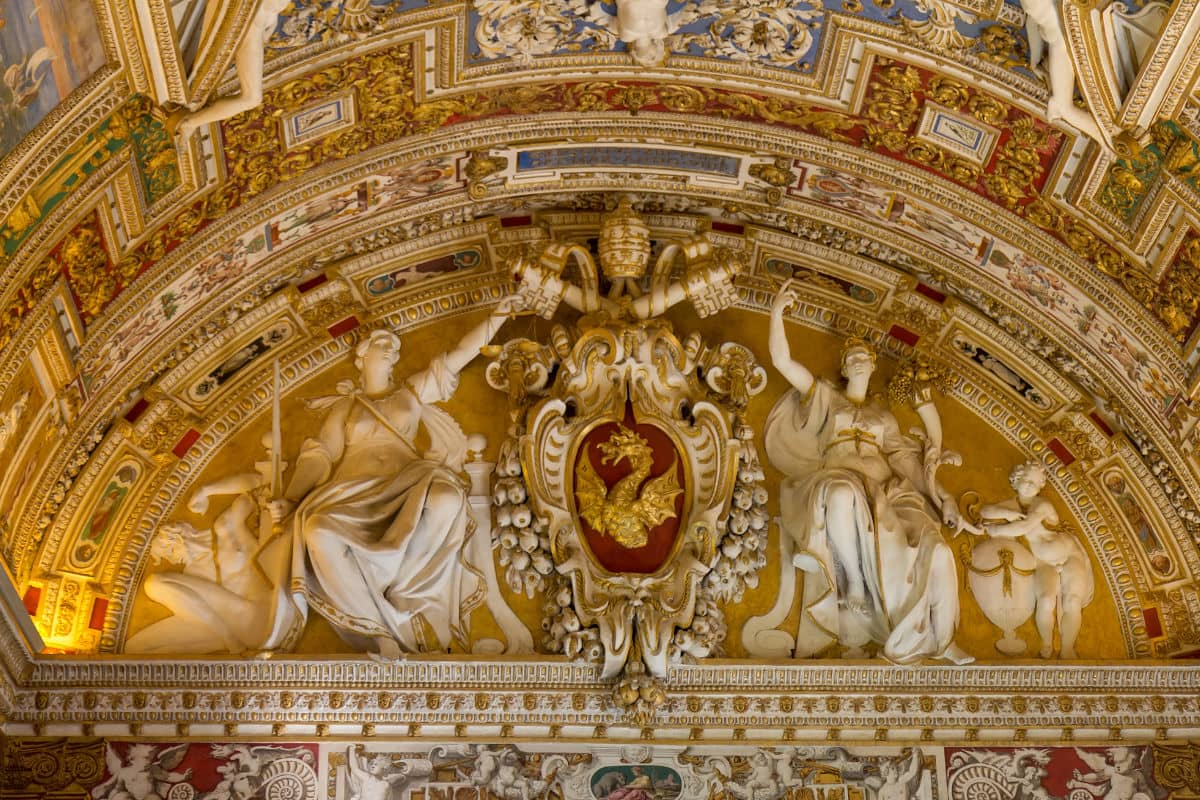
The Vatican isn’t just one attraction. It’s a complex of interconnected wonders. The main areas visitors can explore include:
The Vatican Museums are a vast network of galleries containing one of the world’s greatest art collections.
The Sistine Chapel has Michelangelo’s breathtaking masterpiece, located within the Museums.
St. Peter’s Square is the grand piazza that greets you on arrival.
The Vatican Necropolis (Scavi) is the ancient burial ground beneath St. Peter’s, bookable separately.
St. Peter’s Basilica is the stunning centerpiece of Catholicism, free to enter.
The Vatican Gardens is accessible on select guided tours.
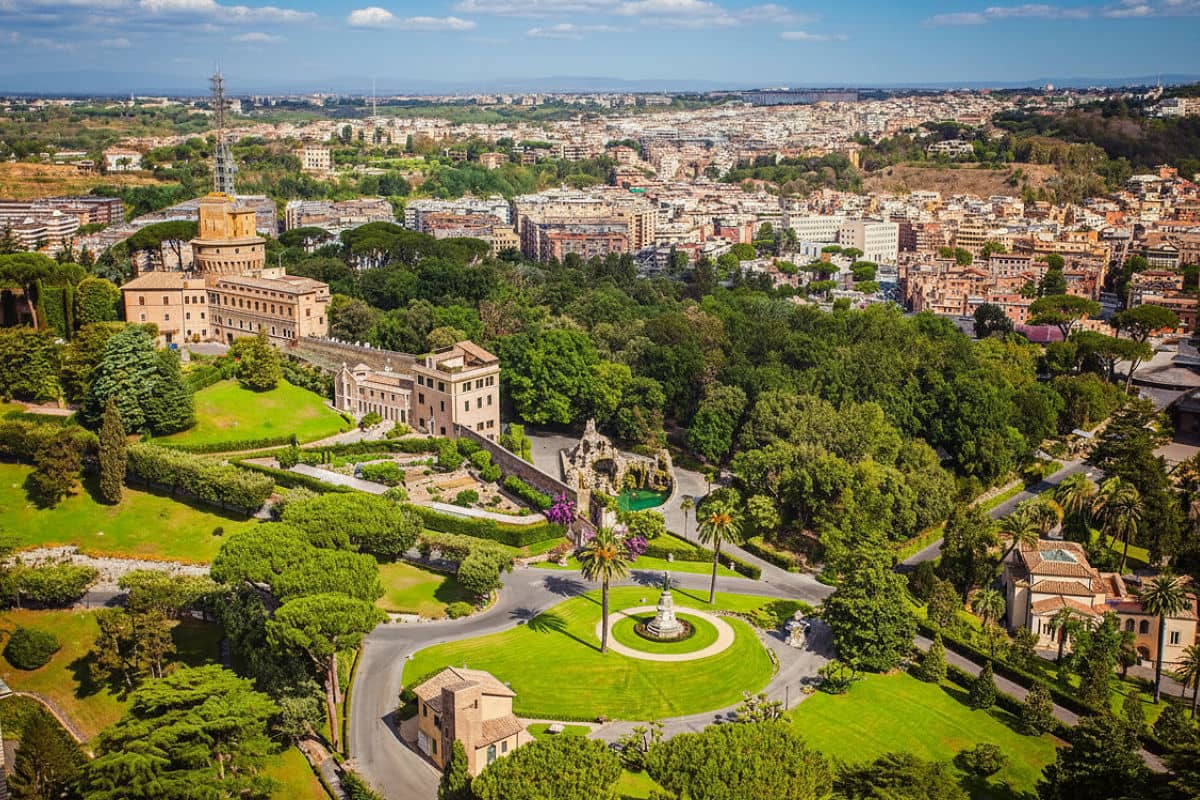
Most visitors attempt the Museums, Sistine Chapel, and Basilica in one day. That’s doable – but it’s a full day, not a casual outing.
5. Expecting A Quiet, Spiritual Experience
Nothing quite prepares you for the Sistine Chapel. The artwork is breathtaking. The ceiling alone feels almost unreal. But the atmosphere surprised us.
After waiting so long to get inside, we expected something calm and reflective. Instead, we were herded through like cattle with hundreds of other visitors. It felt crowded, controlled, and rushed. That doesn’t ruin the experience – but it does change it.
If you want a quieter visit, your best option is to book early morning access, after-hours access, or a small group tour.
Important things to know:
- No photography in the Sistine Chapel.
- Silence is expected. The chapel can feel electric despite the hush.
- There is no separate ticket — entry is included with the museums.
6. Not Realizing St. Peter’s Basilica Is Free
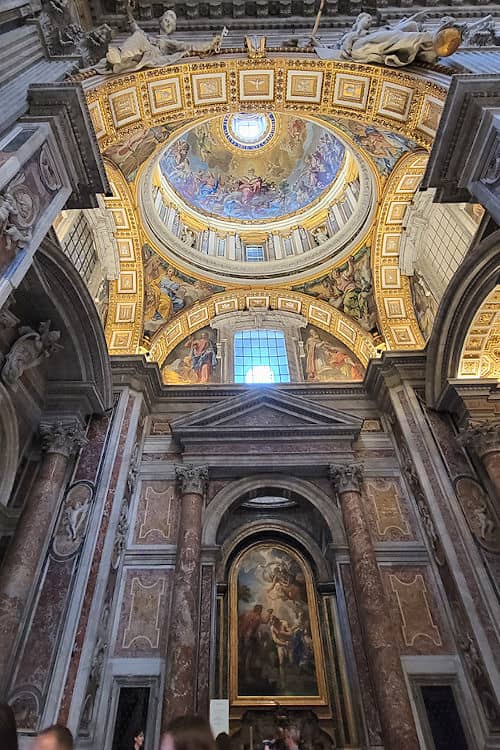
Here’s one of the best-kept secrets of Vatican visits: St. Peter’s Basilica is free to enter. You simply join the queue at the entrance to the right of the square. We booked a guided tour and it was immensely helpful to know what we were looking at and our guide made sure we didn’t miss the highlights.
The Basilica is immense. It can hold over 20,000 people, and every surface competed for our attention. Key things to see inside include:
|
Michelangelo’s Pietà |
A marble sculpture of breathtaking tenderness, protected behind glass near the entrance. |
|
Bernini’s Baldachin |
A towering bronze canopy above the papal altar, reaching nearly 30 meters in height. |
|
The Dome |
Climb it (with or without a lift) for extraordinary views over Rome and the Vatican. |
|
Vatican Grottoes |
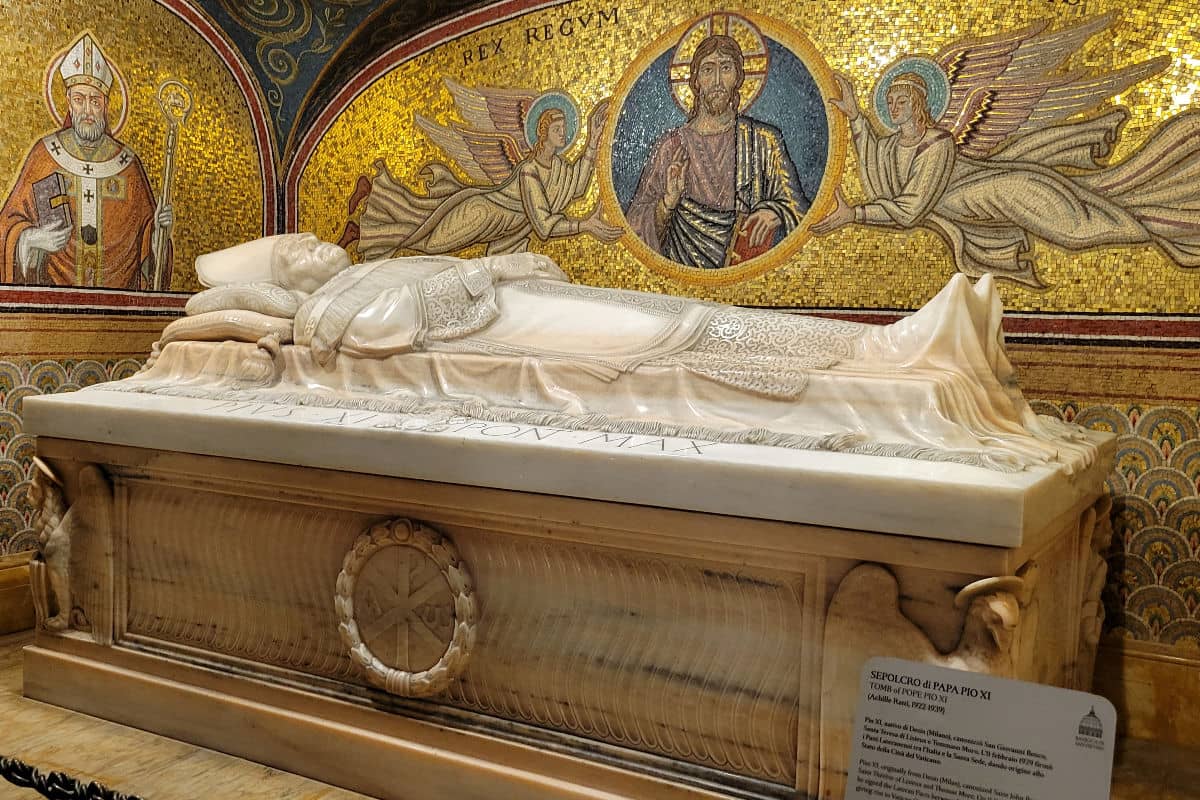
An underground burial site of many popes, accessible from inside the Basilica. |
Important Note: The Vatican Grottoes close earlier than the St. Peter’s Basilica. If you’re visiting late in the day, go there first. This is the one area that we found quite peaceful.
7. Visiting At The Wrong Time Of Year Or Day
Timing makes an enormous difference. We visited in April, considered shoulder season. The crowds were still heavy, but manageable. By late morning, the hallways were noticeably busier. The difference between arriving at opening time and arriving mid-morning is dramatic.
The best months to visit are April to May, September to October, and November to February (winter). The most crowded months are June to August. If they can’t be avoided, arrive at opening because one hour earlier can change your entire experience.
During our April visit, it was busy and we waited almost an hour to get through the security line up. I couldn’t imagine doing that in the heat of the summer.
Also avoid: Wednesday mornings — due to the Papal audience, Major religious holidays, Peak midday hours.
8. Underestimating The Dome Climb
Climbing the dome was one of the most memorable parts of our visit, and one of the most physically demanding. There are 551 steps to the top, and the staircase becomes narrow and steep near the summit. At times, the walls lean inward.
The climb itself took us about 25 minutes, but the entire experience, waiting, climbing, and enjoying the view, took closer to 90 minutes.
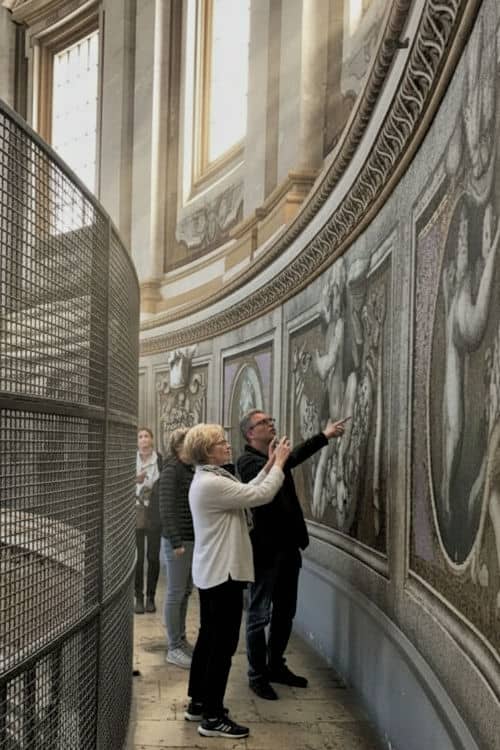
Plan accordingly. If mobility is a concern, you can take a lift partway and walk the 320 remaining stairs. Either way, the view over Rome is worth the effort.
9. Wearing The Wrong Clothing
Both the Basilica and the Vatican Museums enforce a strict dress code. Shoulders must be covered, and knees too. This applies to all genders. Comfy shoes are a must. You will walk far more than you expect.
We saw several visitors turned away at security and forced to buy scarves from nearby vendors before being allowed inside. A simple solution: Bring a lightweight scarf or shawl in your day bag.
10. Not Checking Closures Before Your Visit
Parts of the Vatican close regularly for religious events, ceremonies, and holidays. Most visitors only discover this after arriving. One of the most common surprises: The Vatican Museums are closed on most Sundays.
Before your visit, always check museum opening hours, holiday closures, special events, and Papal audience schedules. It takes two minutes — and can save an entire day.
Getting To The Vatican
The Vatican is centrally located and very easy to reach. The nearest Metro stop is Ottaviano (Line A), a 10-minute walk from St. Peter’s Square. Numerous bus routes also serve the area.
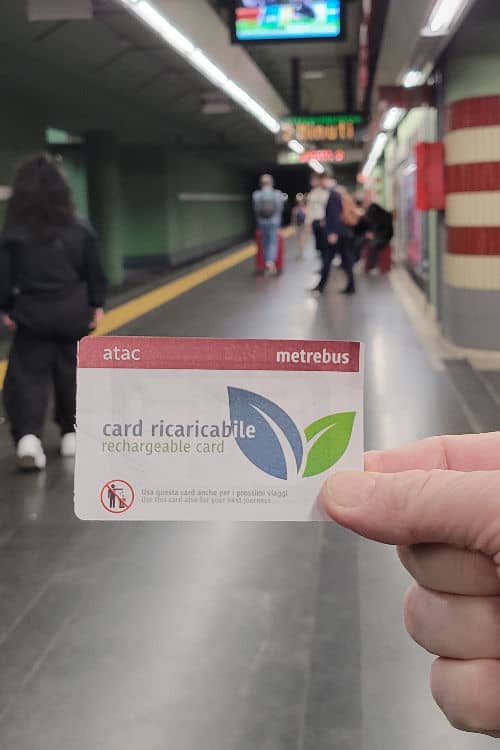
During our visit to Rome, we stayed in Prati, which made it an easy walk to the Vatican.
Note that there is no parking inside Vatican City — and driving in central Rome is not recommended for visitors. Public transport or walking is always the better option.
Practical Tips for Your Visit
- Bring a bottle of water. There are water fountains inside the Museums, but a bottle saves time.
- Don’t bring large bags or suitcases. There are cloakrooms, but it adds extra time at security.
- Photography is allowed throughout the Vatican Museums (no flash) but is strictly prohibited in the Sistine Chapel.
- Allow time for St. Peter’s Basilica separately. Many visitors leave it too little time after the Museums.
- Download the Vatican Museums map before you go. The signage inside, while present, can be confusing.
Final Thoughts
The Vatican is one of those places that genuinely lives up to the hype. Yes, it’s crowded. Yes, it requires planning. And yes, it can be exhausting.
But standing in the Sistine Chapel, looking up at a painting finished over 500 years ago by one artist working on his back in the dark, is a moment we’ll never forget.
Plan ahead, take a guided tour if possible, and give yourself more time than you expect. Patience really pays off at the Vatican.