Top Galápagos Islands Activities Every Visitor Should Experience
The Galápagos Islands attract wildlife lovers, divers, and photographers who want close encounters and activities with unique animals. Birdwatchers and hikers enjoy guided walks that reveal unique species and volcanic landscapes.
We were most intrigued by Ecuador’s unique wildlife, so we planned a vacation that included a trip to the Galápagos Islands from Quito. Our itinerary included two islands, San Cristóbal and Santa Cruz, although visits to Isabela are equally popular.
All Galápagos activities within the national park require a certified naturalist guide. That meant we couldn’t freely explore on our own. In this guide, we cover the popular activities, places to see, and how to book them.

Wildlife Watching Experiences
We arrived in the Galápagos Islands from Quito. The archipelago hosts some of the planet’s most distinctive wildlife encounters, and it’s what attracted us to the islands.
Galápagos Giant Tortoises Observation
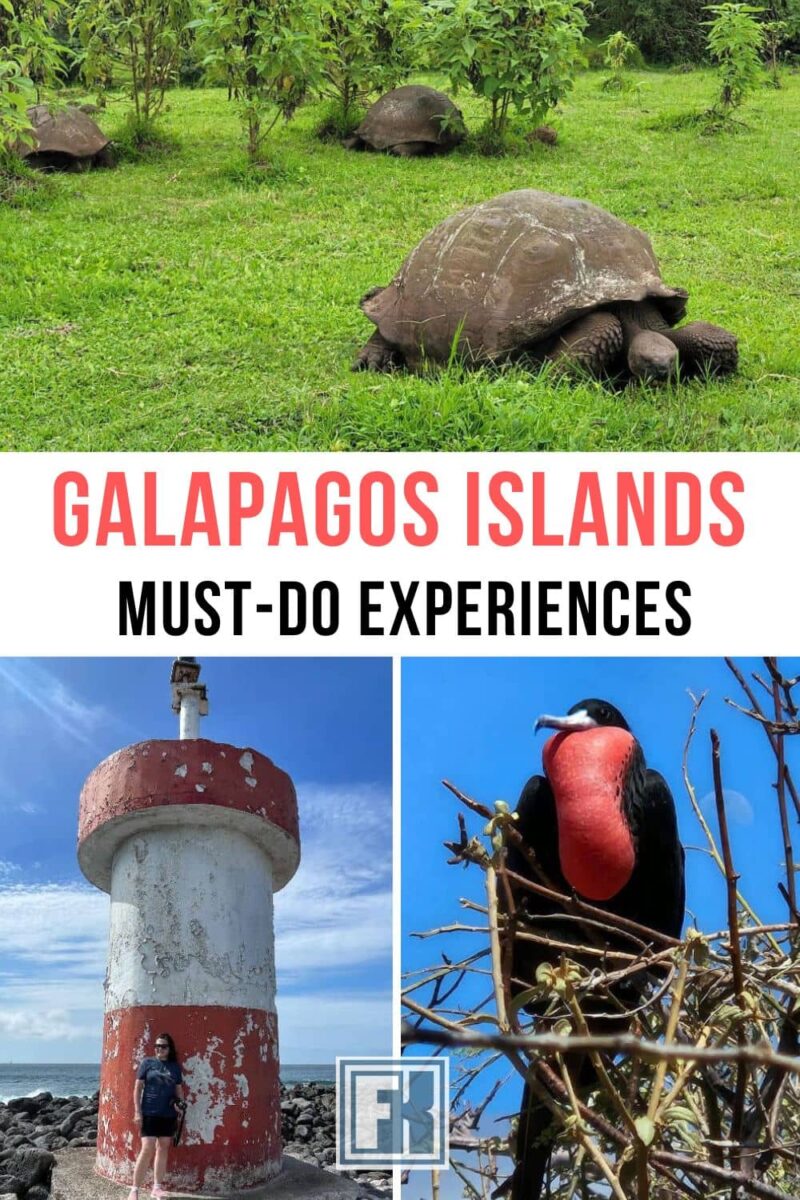
The Galápagos giant tortoise is the archipelago’s most iconic resident. Individuals weigh up to 600 pounds and live over 100 years. We observed these magnificent creatures at the Charles Darwin Research Station on Santa Cruz Island and the highland reserves where they roam freely.
The best viewing occurs in the Santa Cruz highlands, particularly at El Chato Ranch. Here, tortoises move through their natural habitat, grazing on vegetation and wallowing in muddy pools.
It’s USD 10 for a guided tour. Early morning visits offer the most active behavior as temperatures remain cooler. We visited in December, where we viewed mostly larger males. The females had started the journey to the lowlands to lay eggs, a trip that takes up to two months.
Each island subspecies displays distinct shell shapes. Dome-shelled tortoises inhabit islands with lush vegetation and moisture. Saddleback varieties, which we thought looked prehistoric, come from drier islands where they need extended necks to reach higher food sources.

Multiple companies sell tours but taxis offer 4-hour trips to the highlands. On San Cristóbal, our taxi cost USD 80, and USD 60 on Santa Cruz.
Birdwatching Unique Species
The Galápagos has 56 resident bird species, 45 of which are found nowhere else on Earth. Blue-footed boobies perform their distinctive mating dance on North Seymour and Española Islands, lifting their bright blue feet in an elaborate courtship display.
Notable endemic species include:
- Galápagos Penguin: The only penguin species found north of the equator, spotted on Fernandina and Isabela Islands.
- Flightless Cormorant: Evolution reduced their wings; we find them exclusively on Fernandina and western Isabela.
- Waved Albatross: Breeds solely on Española Island from April to December.
- Darwin’s Finches: 13 species across the islands, each adapted to specific food sources.

The Blue-footed boobies and frigatebirds are the most striking. The male frigatebirds inflate their bright red throat pouches during breeding season, and it’s a treat to see. We viewed both species on Isla Lobos (Lobos Island).
Our Isla Lobos boat tour included sightings of two kinds of frigatebirds, sea lions, marine iguanas, sea turtles, and blue-footed boobies.
Sea Lion Encounters
Galápagos sea lions populate nearly every beach and rocky shore throughout the archipelago, with an estimated population of 20,000 to 50,000 individuals. They often approach snorkelers underwater, performing acrobatic spirals and maintaining eye contact with remarkable curiosity.
We swam with sea lions at La Lobería on San Cristóbal. Other locations include Champion Islet near Floreana and Gardner Bay on Española. Young pups are the most playful, while large bull males establish territories on beaches and produce distinctive barking calls.

On land, sea lions rest in large colonies where females nurse pups and individuals regulate their body temperature. The species shows no natural fear of humans. We found it comical that they took over park benches and blocking pathways in Puerto Ayora and Puerto Baquerizo Moreno.
Iguana Spotting Adventures
Iguanas were another species we didn’t need to look for. The largest concentrations of Marine species are on Fernandina and Isabela Islands, where thousands congregate on volcanic rocks to absorb heat after cold-water feeding sessions.
Their black coloration maximizes heat absorption, though breeding males on Española Island develop striking red and green patterns. These prehistoric lizards co-exist amongst the sea lions on many beaches.
Land iguanas inhabit the drier islands, particularly North Seymour, Santa Cruz, and South Plaza. These yellow-to-brown reptiles grow larger than their marine cousins, reaching three feet in length. They feed primarily on prickly pear cactus pads.

Snorkeling And Diving Adventures
The Galápagos Islands offer some of the world’s most exceptional underwater experiences. Snorkelers can swim alongside unique marine species while divers can explore dramatic volcanic formations beneath the surface.
Swimming With Marine Iguanas
Marine iguanas are the sole lizards that inhabit the sea, and the Galápagos provides the rare opportunity to observe them underwater. We can watch these prehistoric-looking creatures dive up to 30 feet deep to graze on algae along rocky underwater surfaces.
They use their strong claws to grip volcanic rocks while feeding, and their flattened tails propel them through the water with surprising agility.
The best locations for marine iguana encounters include Fernandina Island and the western shores of Isabela Island, where large colonies congregate. Activity heightens during low tide when algae is most accessible.

Expect water temperatures between 65 to 75°F, depending on the season, so we recommend bringing or renting a wetsuit. We wore long-sleeved Rashguard tops with SPF 50, which provide an extra layer of warmth.
Exploring Kicker Rock
Kicker Rock, known locally as León Dormido, rises 500 feet from the ocean floor as a dramatic split volcanic formation off San Cristóbal Island. The channel between the two rock towers creates a natural corridor teeming with marine life.
Hammerhead sharks, Galápagos sharks, sea turtles, and eagle rays are often encountered there. However, the site features strong currents and is best suited to strong swimmers and certified divers.
Visibility is great, from 30 to 50 feet, with the best conditions occurring from June through November. Water temperatures vary from 65°F to 80°F depending on the season.
Other top snorkeling spots include:
- Devil’s Crown – Submerged volcanic crater with abundant fish species.
- Isla Lobos – for green sea turtles and stingrays.

- Bartolomé Island – Clear water with penguins and reef fish.
- Los Tuneles – Lava tunnels housing seahorses and white-tipped sharks.
Discovering Underwater Volcanoes
The Galápagos archipelago sits atop a volcanic hotspot, creating unique underwater landscapes. Submerged lava formations create caves, tunnels, and walls that serve as habitats for diverse marine species. These volcanic structures drop dramatically, exceeding 100 feet.
Sites like Gordon Rocks feature underwater pinnacles formed by ancient volcanic activity. The rock surfaces are covered with colorful invertebrates, black coral, and sponges that attract hammerhead sharks and make great hiding spots for moray eels, octopuses, and reef fish.
Hiking And Nature Walks
If you prefer to keep your feet on the ground, the Galápagos offer just as many options. Hiking opportunities include volcanic terrain, highland forests, and coastal paths where wildlife encounters happen naturally.
While most hikes require a certified naturalist guide, there are paths like the ones to Mirador Cerro Tijeretas and Faro Punta Carola (lighthouse) on San Cristóbal that doesn’t require one.

Volcano Treks
Sierra Negra on Isabela Island features one of the world’s largest volcanic craters, spanning nearly 6 miles. The hike to the rim takes approximately two hours and covers moderate terrain with steady elevation gain.
Bartolomé Island’s summit trail consists of 372 wooden steps leading to a panoramic viewpoint. This 30 to 40-minute climb rewards us with views of Pinnacle Rock and the surrounding islands.
Floreana’s volcanic highlands offer less-visited trails through endemic vegetation zones. The trails wind past old pirate caves and provide opportunities to observe Darwin’s finches in their natural habitat.
Tortoise Reserve Trails
Santa Cruz highlands contain multiple reserves where giant tortoises roam freely. El Chato Ranch and the Santa Cruz National Park both maintain well-marked trails that wind through humid zones where these ancient reptiles feed on native vegetation.

We took a tour to see the tortoises that mesmerized us with their colossal size. Our ranch tour included close encounters and exploration of several lava tubes.
San Cristóbal’s La Galapaguera breeding center combines conservation education with easier trails suitable for all fitness levels.
Lava Tube Exploration
Los Túneles on Santa Cruz Island provides an underground passage through ancient lava formations. These hollow tunnels measure up to 10 feet high.
We’ve walked through many lava tubes in Hawaii and were thrilled to enjoy a similar experience here. We visited the accessible lava tubes near Puerto Ayora because they required minimal hiking to reach the entrance. Our tour included tortoise viewing.

Kayaking And Paddleboarding
Paddling through the Galápagos provides an intimate way to observe wildlife at water level.
Coastal Paddling Routes
Santa Cruz, Isabela, San Cristóbal, and Floreana offer coastal paddling routes suitable for paddlers of all skill levels.
Puerto Ayora on Santa Cruz provides access to Finch Bay and nearby protected coves. Here, sea lions, marine iguanas, and occasionally Galápagos penguins accompany the paddle. The calm waters near these areas make them suitable for beginners.
Isabela Island features longer coastal routes with views of volcanic formations and opportunities to spot sea turtles and rays in shallow waters. Tour operators provide high-quality kayaks and safety equipment for these excursions.

Mangrove Exploration
The mangrove areas feature narrow channels that require basic maneuvering skills but remain accessible to first-time kayakers. We can spot blue-footed boobies, herons, and pelicans nesting in the mangrove branches while rays and small sharks swim in the shallow water below.
These ecosystems also shelter juvenile fish and invertebrates, creating productive feeding areas for larger predators.
Cultural And Historical Experiences
The Galápagos Islands offer more than wildlife encounters. They feature cultural sites that reveal the islands’ human history and the conservation efforts shaping their future.
Charles Darwin Research Station
The Charles Darwin Research Station operates as a scientific research facility and conservation center near Puerto Ayora. Established in 1964, it works to preserve the islands’ unique ecosystems and endemic species.
It was a 25-minute walk from our hotel. On arrival, we explored exhibits explaining ongoing conservation projects, including the famous giant tortoise breeding programs.

The station houses several tortoise corrals where we observe different subspecies at various life stages. I was fascinated to learn the sex of a tortoise is determined by the temperature of incubation. Males hatch at 28C and females 29.5C.
Educational displays detail the ecological challenges facing the Galápagos, including impacts from invasive species and climate change. One of the highlights was seeing Lonesome George, the islands mascot, who recently died at the age of 160+ years.
Post Office Bay
Post Office Bay, on Floreana Island, is a unique historical site renowned for its unconventional postal system. Established in 1793 by Captain James Colnett, the bay features a wooden barrel that served as a makeshift post office for sailors.
They would drop off letters intended for recipients back home, relying on fellow sailors to deliver them. This tradition continues today, inviting visitors to participate in the experience by leaving letters in the barrel, which are then hand-delivered by travelers.
Beyond its postal significance, Post Office Bay is a beautiful spot for snorkeling and wildlife viewing. Its sea lions and colorful marine life viewing make it a must-visit.
Island Hopping Tours
Island-hopping tours offer land-based exploration of multiple islands via day trips and ferry transfers.

Isabela Island Day Trips
Isabela represents the largest island in the archipelago and attracts visitors seeking volcanic landscapes and marine wildlife. Most tours focus on the populated area near Puerto Villamil, where pink flamingos inhabit coastal lagoons.
The island’s signature attraction is Sierra Negra volcano, which features one of the world’s largest active calderas. Hiking tours to the rim take approximately two hours each way.
Los Tuneles provides exceptional snorkeling with sea turtles, rays, and reef sharks swimming through lava rock formations. The Wall of Tears stands as a historical site from the former penal colony. Alternatively, Concha de Perla offers easy snorkeling access from town.
Bartolomé Island Visits
Bartolomé delivers the most photographed landscape in the Galápagos, featuring Pinnacle Rock rising from turquoise waters. This small island requires half-day or full-day tours from Santa Cruz, as overnight stays are prohibited.
Tours typically include two landing sites: a dry landing at the stairs and a wet landing at the beach. The main activity involves climbing 372 wooden steps to a summit viewpoint. Snorkeling sites near the coast are home to Galápagos penguins.

Gardner Bay Leisure
Gardner Bay on Española Island ranks among the world’s most beautiful beaches. Its long stretch of powdery white sand framed by turquoise water extends for over a mile.
Sea lions dominate the landscape here, often resting directly on the sand or playing in the shallow surf. The calm, protected waters make this an ideal spot for both swimming and snorkeling.
Marine iguanas sun themselves on the volcanic rocks at the beach’s edges, while mockingbirds hop fearlessly near visitors. Snorkeling reveals manta rays gliding through deeper waters, along with various tropical fish.
Which Activities Will You Choose On the Galápagos Islands?
Our trip to the Galápagos Islands was beyond amazing. We enjoyed guided wildlife encounters, snorkeling, hiking, and cultural sites. While we saw countless sea lions, iguanas, and birds, the giant tortoises were the highlight.
We packed a lot into our five-day island itinerary and left wanting more time. While we only stayed on two islands, we look forward to another trip to explore others.