
Awesome Kona Shore Excursions On the Big Island
Kona’s western shores offer cruise passengers access to some of Hawaii’s most spectacular excursions. In Kailua-Kona, visitors can swim with manta rays, explore active volcanoes, and experience rich Hawaiian culture.
We recommend booking shore excursions that combine multiple experiences. Popular options include snorkeling at Kealakekua Bay, coffee farm visits, and guided walks through cloud forests.
Our guide covers the essential water activities that make Kona famous, including unforgettable manta ray encounters that take place nowhere else in Hawaii.

We’ll also explore the island’s natural landmarks, cultural attractions, and authentic local experiences that showcase the true spirit of Hawaiian island life.
Overview of Kona Shore Excursions
Kona shore excursions are diverse, from snorkeling by the Captain Cook monument to cultural experiences at coffee farms. We find multiple tour categories available through cruise lines, independent operators, and specialized companies serving the Kailua-Kona port.
Top Water Activities and Experiences
Kona’s protected bays and calm waters create perfect conditions for diverse marine adventures. The region offers world-class snorkeling with green sea turtles, seasonal whale watching opportunities, and excellent conditions for paddleboard and kayak exploration.
Honaunau Bay Snorkeling And Sea Turtle Encounters
Honaunau Bay is one of Kona’s premier snorkeling destinations for encounters with turtles. The bay’s protected waters and coral formations attract large populations of Hawaiian green sea turtles.
The best visibility occurs in the morning, when the water is calm. This bay offers easy beach access and shallow waters perfect for beginners. We saw lots of Yellow Tangs and sea turtles here.

Key features include:
- Consistent turtle sightings year-round.
- Protected marine sanctuary status.
- Rocky coastline with diverse fish species.
- Calm conditions are suitable for all skill levels.
The nearby Two Step area offers additional snorkeling opportunities. We recommend bringing reef-safe sunscreen and maintaining respectful distances from marine life.
Whale Watching Cruises
Humpback whale season runs from December through April along the Kona coast. These massive mammals migrate from Alaska to Hawaiian waters to breed and calve.
Morning whale-watching tours typically offer the best conditions, with calmer seas. Success rates are above 90% during peak season months of January through March.
Choose from half-day tours with refreshments, sunset whale-watching with dinner, or a small group for intimacy.

Many operators combine whale-watching with snorkeling. The Kohala Coast provides excellent viewing opportunities with deep waters close to shore.
Stand-Up Paddleboarding and Kayaking
Kona’s sheltered bays create ideal conditions for stand-up paddleboarding and kayaking adventures. Kailua Bay and Keauhou Bay offer protected waters perfect for beginners.
We recommend early-morning sessions when trade winds are light. Rental shops provide equipment and basic instruction for first-time paddlers. I loved my paddle-boarding experience and found it easy to balance. My husband, not so much.
Advanced paddlers can explore the coastline toward the Captain Cook Monument. Many tour operators offer guided excursions that combine paddling with snorkeling at prime locations.
Unique Excursions: Manta Rays and Night Snorkeling

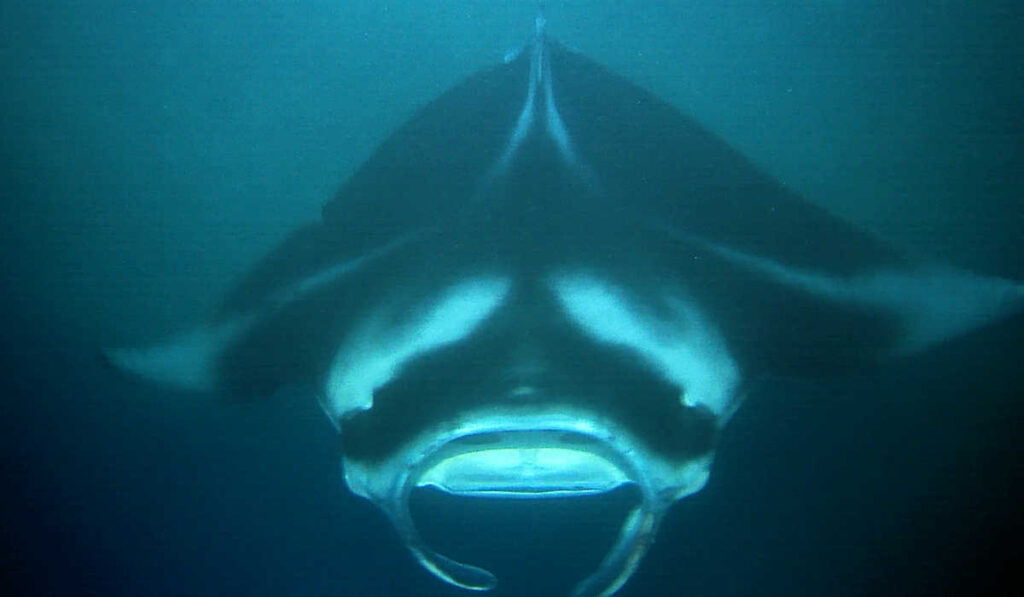
The Kona coast offers manta ray night snorkeling, an extraordinary marine encounter. It was on my bucket list for a long time. Since this activity takes place at night, the excursion is only possible for cruise guests with an overnight stay.
Most tours depart from Keauhou Bay around 5:30 PM and last 2-3 hours. While our tour operator supplied wetsuits, I didn’t find the water cold. The experience involves floating on the surface while underwater lights attract plankton, which attract mantas.
Manta rays are graceful creatures that pose no danger to the public. They have no stingers at the end of their tails or teeth in their mouths.
We shared the water with certified divers who swam to the bottom and watched the manta ballet from the ocean bed. Peak season runs from October through April when plankton blooms are most abundant.
The success rate for manta ray sightings reaches 90% during optimal conditions. We saw one giant manta, Alexia or “Lexi.” She performed multiple barrel rolls within inches of us, leaving us with an unforgettable experience.
Exploring Big Island’s Natural Landmarks
The Big Island offers remarkable geological formations, and protected areas showcase millions of years of volcanic activity. From ancient lava tubes to active volcanic craters, these landmarks provide visitors with diverse landscapes found nowhere else on Earth.
Mauna Kea Summit
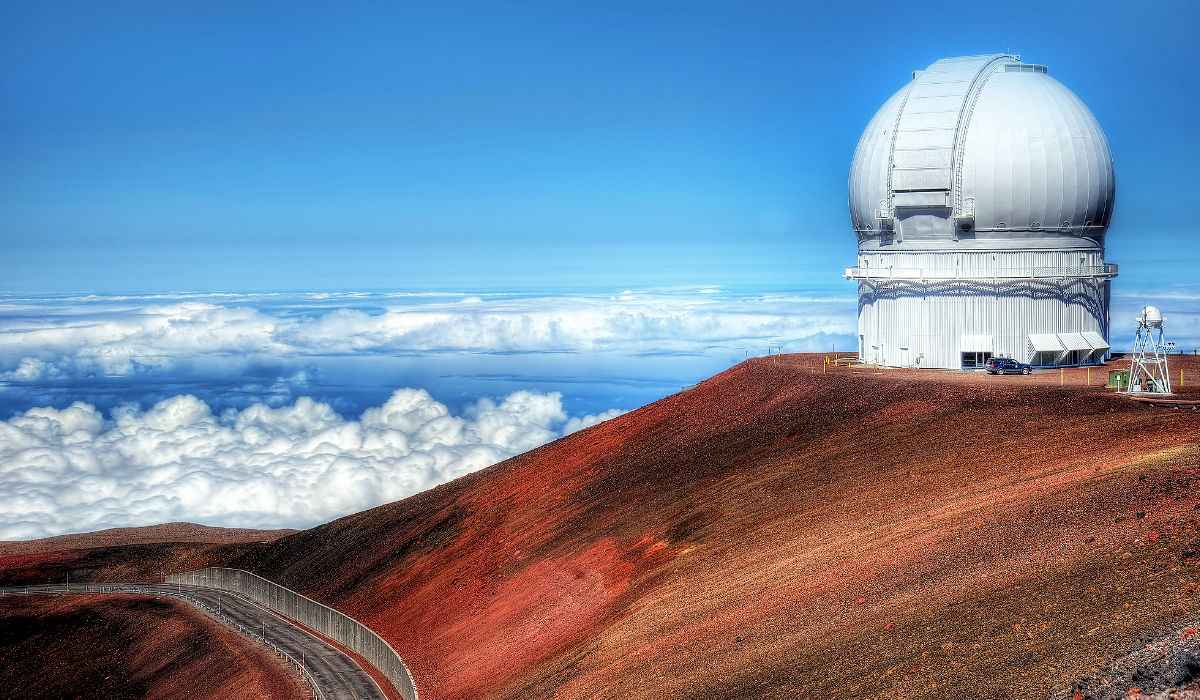
While the Big Island has six volcanoes, the most popular for visitors is Kilauea and Mauna Kea. The summit of Mauna Kea draws visitors from around the world for its dreamy landscapes, breathtaking sunsets, and magnificent stargazing opportunities.
Mauna Kea is the Hawaiian Islan’s talled mountain, rising to 13,803 feet above sea level. The summit experiences snow during the winter months and houses world-renowned astronomical observatories.
We recommend booking permitted tour operators for summit access. The drive to the summit requires four-wheel-drive vehicles. Most tours include stops at the visitor center at 9,200 feet for acclimatization.
Tours typically last 6-8 hours and include warm jackets and gloves, as temperatures can drop by 40 degrees from the starting point. The experience combines astronomy education with Hawaiian cultural history.
Kula Kai Caverns
These underground lava tube systems formed during volcanic eruptions thousands of years ago. The caverns maintain a consistant temperature of around 70 degrees year-round.
The guided tours are educational for understanding volcanic geology. Tours range from easy walking paths to more adventurous crawling expeditions. Proper footwear is essential since surfaces can be uneven.
The caverns feature different chambers with unique rock formations. Visitors walk through naturally formed lava tunnels. There are several tour options, with the shortest being wheelchair accessible.
For the highly adventurous, consider the crawling tour. With knee pads, gloves, and lighted helmets, you’ll crawl in the dark with your enthusiastic tour guides through 1000-year-old, fascinating caves made by lava.
Hawaii Volcanoes National Park

Hawaii Volcanoes National Park encompasses active volcanic landscapes, including Kilauea, one of the world’s most active volcanoes. The park covers 333,000 acres of diverse ecosystems.
We suggest full-day tours to explore major attractions like Kilauea Crater, Chain of Craters Road, and Thurston Lava Tube. Tours from Kona typically include stops at the Painted Church and Kealakekua Bay.
We’ve visited Kilauea many times and are always amazed by how different the experience is each time. One time, the crater was smoking, and another time, bubbling lava. On our last visit, the crater had doubled in size and looked completely different.
Discover Big Island’s Cultural Attractions
The Big Island preserves Hawaii’s rich cultural heritage through sacred places of refuge, historic bays where explorers first landed, and beautifully painted churches.
These sites offer visitors authentic glimpses into ancient Hawaiian traditions, early contact with Western explorers, and the blending of cultures that shaped modern Hawaii.
Pu’uhonua o Honaunau National Historical Park

This sacred refuge, also known as the Place of Refuge, served as a sanctuary where ancient Hawaiians could escape punishment for breaking religious laws. The 182-acre park preserves one of Hawaii’s most significant cultural sites along the Kona coast.
We’ve explored the reconstructed temple platform and wooden carved statues that guard this holy ground. The Great Wall, built around 1550 AD, stretches 1,000 feet long and stands 10 feet high in places.
The visitor center provides essential context about Hawaiian spiritual beliefs and the kapu system. Rangers often conduct cultural programs that demonstrate traditional crafts such as net weaving and wood carving.
Kealakekua Bay And Captain Cook Monument
This pristine marine sanctuary marks the spot where Captain James Cook first landed in Hawaii in 1779 and later died in a conflict with Native Hawaiians. The white obelisk monument sits on the exact spot where Cook fell.
The bay holds deep cultural significance for Native Hawaiians as the landing place that forever changed their islands. Local tour guides share stories about Cook’s voyages and the complex interactions between cultures.
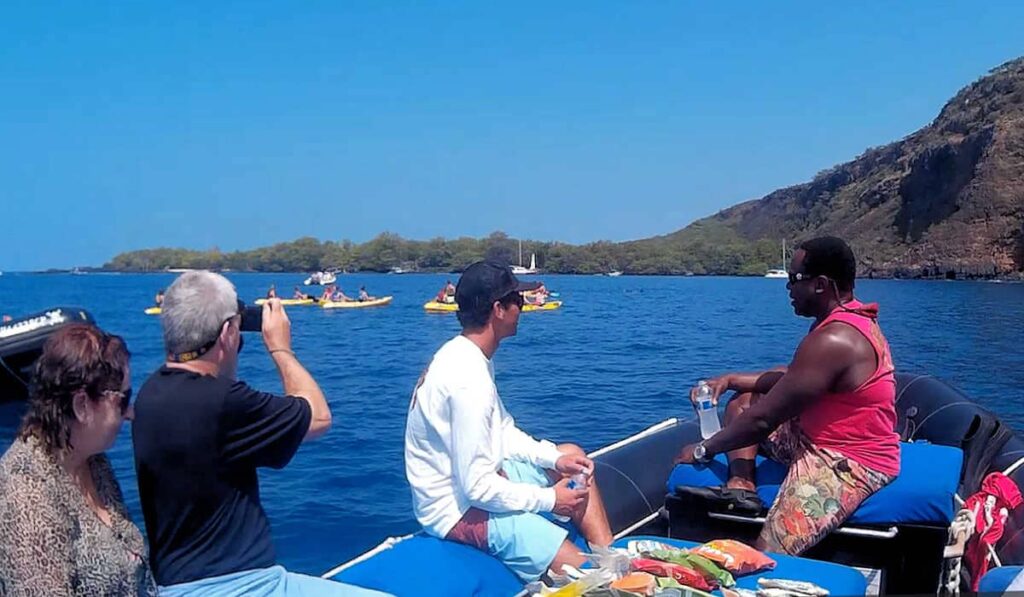
Kealakekua Bay offers exceptional snorkeling with crystal-clear waters and abundant marine life. Access to the monument is by kayaking, boat tour, or a challenging 2-mile hike down steep terrain. We’ve taken a boat tour, often marketed as a swim with dolphins at Kealakekua Bay. The highlight—a pod of spinner dolphins doing an aerial display.
Painted Church and Historical Sites
St. Benedict’s Catholic Church, known as the Painted Church, features stunning interior murals painted by Father John Velghe in the early 1900s. The biblical scenes create an immersive spiritual experience unique to Hawaii.
This small wooden church is perched on a hillside in Captain Cook town with panoramic views of Kealakekua Bay. The hand-painted columns appear three-dimensional, creating the illusion of a grand cathedral. While the church is small, its interior murals are not to be missed.

During our visit, a local was selling fresh fruit. We couldn’t resist purchasing strawberry papayas and apple bananas.
Authentic Local Experiences
Kona’s authentic experiences center around its world-famous coffee heritage and historic coastal town. These excursions offer genuine connections to Big Island culture through working farms and preserved historical sites.
Kona Coffee Farms
Visiting Kona coffee farms provides direct access to one of Hawaii’s most celebrated agricultural products. We can learn about the production of coffee from bean to cup by touring working plantations.
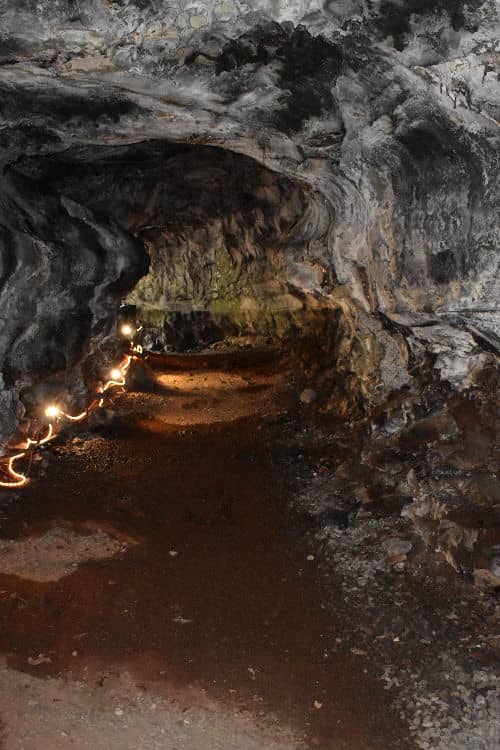
Royal Kona Coffee Center stands out among farm options. The facility was excellent, combining coffee tastings with its unique underground lava tunnel. We sampled various coffee blends and teas while learning about cultivation techniques specific to Kona’s volcanic soil.
Tasting different coffees helps find the one that matches your taste buds. Since Kona coffee is a top-requested gift from Hawaii, why not purchase it for friends and family?
Historic Kailua-Kona Town
Kailua-Kona is the cultural heart of the Big Island’s western coast. We’ve explored this historic town on foot, browsing a market and discovering significant sites that shaped Hawaiian history.

Hulihe’e Palace represents authentic Hawaiian royalty heritage. This former summer residence now operates as a museum featuring original koa wood furniture and artifacts from the 1800s. The self-guided tour is inexpensive and takes approximately 30 minutes.
Across the street, the Mokuaikaua Church is Hawaii’s oldest Christian church. Established in the 1820s, this building had a unique look, made of local lava rock and coral. Inside, the interior isn’t as colorful as the painted church, but it’s still worth a look.
The town’s waterfront area contains numerous historical markers and preserved structures. We can walk along Ali’i Drive to see ancient fishing villages and learn about traditional Hawaiian coastal life.
