
First Time In Quito, Ecuador? Essentials To Know
Visiting Quito, Ecuador for the first time? The city sits 9,350 feet above sea level in the Andes, which surprises many travelers. Quito’s high altitude and unique location influence everything from jet lag and packing to daily sightseeing. Knowing what to expect before you arrive makes your first trip to Quito easier.
One of Quito’s popular attractions is Mitad del Mundo or Middle of the World, which sits on the equator. There’s a misconception that this location makes Quito a tropical destination. But its high elevation keeps the city cooler than other locations.
Planning for high altitude, weather, and transportation eases the stress of visiting. This guide covers what first-time visitors need to know before arriving. You’ll learn where Quito sits, how to stay healthy, get around safely, and decide on the best neighborhood to stay.
Where Is Quito, Ecuador?
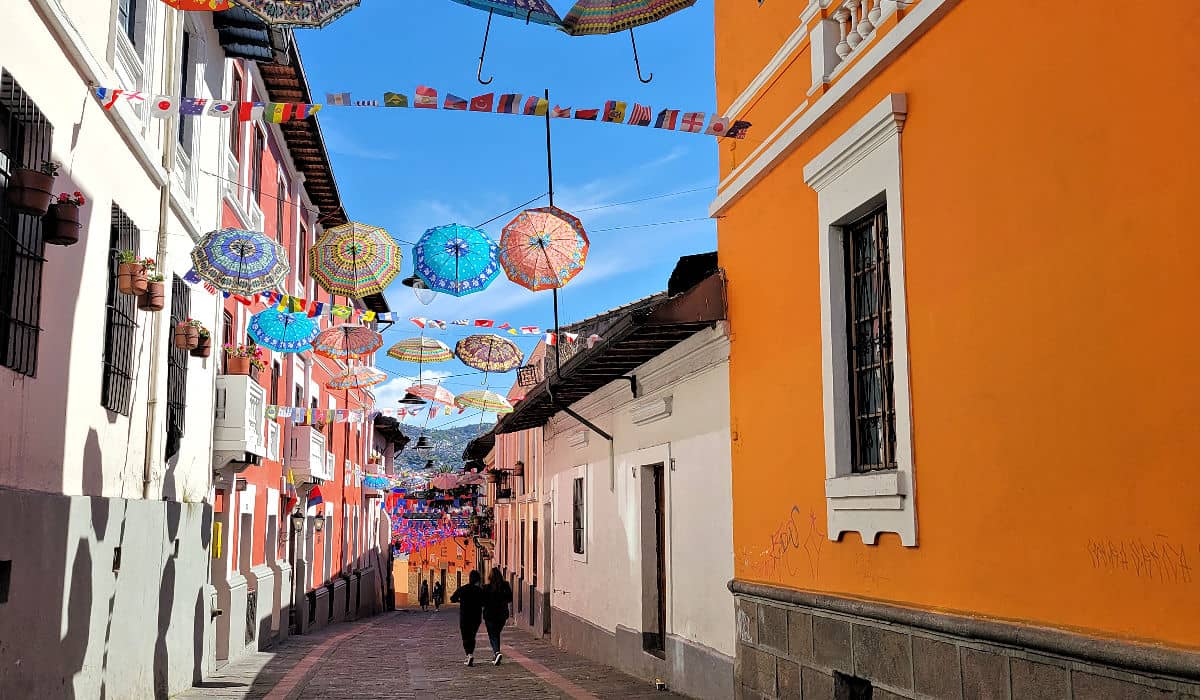
Quito is Ecuador’s capital, sitting high in the Andes Mountains. Before arrival, understand visa policies, local currency practices, and language basics to navigate the city smoothly.
Entry Requirements And Visas
Most visitors from the United States, Canada, the European Union, the United Kingdom, and Australia can enter Ecuador without a visa. They can stay up to 90 days.
However, those traveling from the mainland to the Galápagos Islands must purchase a Transit Control Card (TCT) and pay the Galápagos National Park entry fee. As of 2026, the combined fees are USD 220 per adult.

Passports must be valid for at least six months beyond your planned departure date from Ecuador. Always keep a copy of your passport and entry stamp with you, as police occasionally conduct document checks in tourist areas.
Currency And Tipping Culture
Ecuador uses the US dollar as its official currency, which simplifies money management for American travelers. Bring small bills ($1, $5, $10, $20) since many businesses struggle to break $50 or $100 bills. ATMs are widely available throughout Quito and typically dispense denominations of $20.
Tipping isn’t mandatory but is appreciated. Local guides suggested we tip 10%. We often tipped more, especially on inexpensive taxi rides, rideshare and budget-friendly meals.
Language Tips For Visiting Quito
Spanish is Ecuador’s official language. Learning basic Spanish phrases is suggested. We knew no Spanish, so we used an app to translate, which was helpful when scanning restaurant menus.
Do people in Quito speak English? English proficiency in Quito is limited outside upscale hotels and tourist agencies. If taking tours, make sure it’s with an English-speaking guide.
I have an allergy to cow milk which proved challenging in Quito. We soon learned locals didn’t understand milk but understood lactose-free. Lactose-free in English translates to sin lactosa in Spanish.
Health And Safety In Quito
Quito is generally safe for tourists, but its high altitude demands respect. Quito’s basic infrastructure differences require adjustments to daily habits like drinking water and waste disposal.
How To Handle Quito’s High Altitude

We underestimated Quito’s altitude. Its high elevation causes altitude sickness. Symptoms include shortness of breath, headaches, fatigue, nausea, and difficulty sleeping.
My husband had symptoms immediately. I felt fine the first day but experienced constant headaches and fatigue the next day. Due to altitude sickness, we adjusted our schedule and fit less into our day.
Locals often use coca leaves to help relieve symptoms, either by chewing the leaves or making a tea. This is a traditional remedy and is legal in Ecuador. While coca leaves contain natural alkaloids, we chose not to try them.
Best practices for acclimatization:
- Slow down. Avoid strenuous activity for the first two days.
- Drink 3-4 liters of water daily to stay hydrated.
- Eat light meals and limit alcohol.
We found stairs and hills the hardest. Our trip up the TelefériQo (cable car) resulted in feeling faint due to the top elevation reaching around 13,000 feet. I felt dizzy walking up a flight of stairs to the cafe.

Vaccinations And Health Precautions
No vaccinations are legally required to enter Ecuador. Quito’s high altitude means less mosquito activity than coastal regions, so malaria medication isn’t necessary for the capital.
Since our trip included two days at the Suchipakari Lodge in the Amazon, we took our doctor’s advice and had some vaccines. We recommend checking official health guidelines.
Is Quito Safe For Tourists?
Quito is generally safe for tourists, but the main risk for visitors is petty crime. Pickpocketing and bag snatching can happen in crowded places, markets, and on public transportation. Our guides advised wearing backpacks on the front and carrying only what we needed each day.
One common scam involves someone spilling white substance on tourists from above. A second person may then offer to help clean it off while an accomplice targets your unattended bag or pockets. Staying alert and declining help from strangers helps avoid this situation.
Popular areas like the Historic Center, La Mariscal, and La Carolina Park have regular police presence during the day, which adds a layer of security.

Safety guidelines to follow:
- Use registered taxis or ride-sharing apps rather than hailing cabs on the street.
- Avoid walking alone at night, especially in less populated areas.
- Keep copies of your passport and important documents separate from originals.
- Stay alert in crowded tourist spots and markets.
Certain neighborhoods have higher crime rates and should be avoided, particularly southern districts and areas outside the main tourist zones.
Rideshare apps have an extra level of safety in Ecuador. The app gave us a 4-digit code which we had to share with the driver. It’s the first time we’ve experienced this extra step, after using Uber in many countries.
Infrastructure Differences Travelers Should Expect
Quito’s infrastructure differs from what many travelers are used to in North America or Europe. Knowing what to expect helps avoid surprises and discomfort.
Drinking Water In Quito
Tap water in Quito is not considered safe for visitors to drink. Even if locals say otherwise, stick to bottled water. Bottled water is inexpensive and widely available at stores and restaurants. We always ordered bottled water or drinks with meals.

Use bottled water for brushing teeth as well. Ice is usually made from purified water, but it’s best to ask if you’re unsure. If in doubt, drink without ice.
Toilet Paper And Plumbing Etiquette
Quito’s plumbing systems use older, narrower pipes that cannot handle toilet paper. You’ll see small bins beside toilets for used paper in hotels, restaurants, and public restrooms.
This applies everywhere, including upscale hotels. Flushing toilet paper can cause serious plumbing issues, so always use the bin provided.
Using Public Washrooms
Public restrooms often charge a small fee, usually 25 to 50 cents. Many do not provide toilet paper or soap. Carry tissues and hand sanitizer with you each day to avoid inconvenience.
How To Get Around Quito Safely
Quito offers multiple transportation options that range from modern metro systems to rideshare and taxis. Downtown is quite walkable, but some areas have steep hills.

Public Transportation Options
The Quito Metro is the newest and most efficient way to traverse the capital. This modern system opened recently and connects major points across the city with fast, air-conditioned trains. It’s the most affordable transit option available.
Traditional buses, taxis and rideshare are also available. We used Uber for all our day trips. It’s incredibly inexpensive compared to prices back home.
The TelefériQo cable car provides transportation up the slopes of Pichincha Volcano, combining transit with a tourist attraction. We took the cable car to the top and were astounded to see the size of the capital.
Taxis And Ride-Hailing Services
Official taxis in Quito are yellow and should have working meters. Always insist the driver uses the meter or negotiate a fixed price before starting your trip. Uber operates in Quito and we used the service daily.
Traffic in Quito is crazy, and the road aren’t built on a grid. We sometimes spent 75-80 minutes traveling from Old Town to our hotel, with the cost totaling under USD 20. Here are average drive times and costs from the Historic Center.
|
Destination |
Driving Time |
Estimated Cost |
|---|---|---|
|
Mitad del Mundo |
30-60 mins |
USD 16-20 |
|
TelefériQo |
10-20 mins |
USD 5-10 |
|
Mariscal Sucre (airport) |
40-60 mins |
USD 20-30 |
Other ride-hailing services like Cabify are also available and function similarly to Uber.
Alternatively, the Quito Tour Bus offers a hop-on hop-off service, popular in many cities. The downtown bus has 6 stops, but combinable with a visit to Mitad del Mundo.

What’s the Weather Like In Quito?
Quito sits at 2,850 meters above sea level, which gives it mild temperatures year-round averaging 15°C (59°F). The sun’s intensity at this altitude is significantly stronger than at sea level, making sun protection essential even on cloudy days.
Guard Against Sunburns
The high altitude in Quito means UV radiation is approximately 25% stronger than at sea level. You can get sunburned in as little as 15-20 minutes of direct sun exposure, even on a cloudy day.
We forgot to pack sunscreen which proved to be a big mistake. While most things are affordable in Quito, sunscreen is not! We went through two bottles of sunscreen and paid USD 28 per container.
We found our long sleeved Rashguard shirts invaluable. They protected our upper halves, but we received sunburn below, even when applying SPF 50 multiple times.
Best Areas To Stay In Quito For First-Time Visitors
Quito divides into distinct zones, each offering different advantages for visitors. The Historic Center provides colonial architecture and cultural sites, while northern neighborhoods like La Mariscal and La Carolina offer modern amenities and nightlife.
Popular Neighborhoods For Visitors

Historic Center is the cultural heart of Quito with UNESCO World Heritage status. We enjoyed exploring its colonial churches, plazas, and museums. Hotels here range from budget hostels to boutique properties in restored colonial buildings.
La Mariscal attracts backpackers and younger travelers with its concentration of hostels, restaurants, and bars. The neighborhood sits in north-central Quito and provides easy access to both the old town and modern districts. You’ll encounter more English-speaking services here.
La Carolina and the financial district offer modern high-rise hotels with business amenities. This area suits travelers seeking contemporary comfort, shopping centers, and international dining options. The Parque La Carolina provides green space for morning runs or relaxation.
La Floresta appeals to visitors wanting a residential feel with local cafes, art galleries, and smaller boutique accommodations. The neighborhood sits between La Mariscal and the Historic Center, offering a quieter alternative with authentic local character.
Quito Rewards Prepared Travelers
As first-time visitors, Quito surprised us in the best ways. Altitude, sun, and infrastructure shape daily life more than we expected. While we weren’t quite prepared for the effect of high altitude, we thoroughly enjoyed what this city had to offer.
With smart pacing, easy transportation, and great attractions, Quito felt welcoming and manageable. The adjustments we needed to make were forgotten once we immersed ourselves in its history, views and culture.
