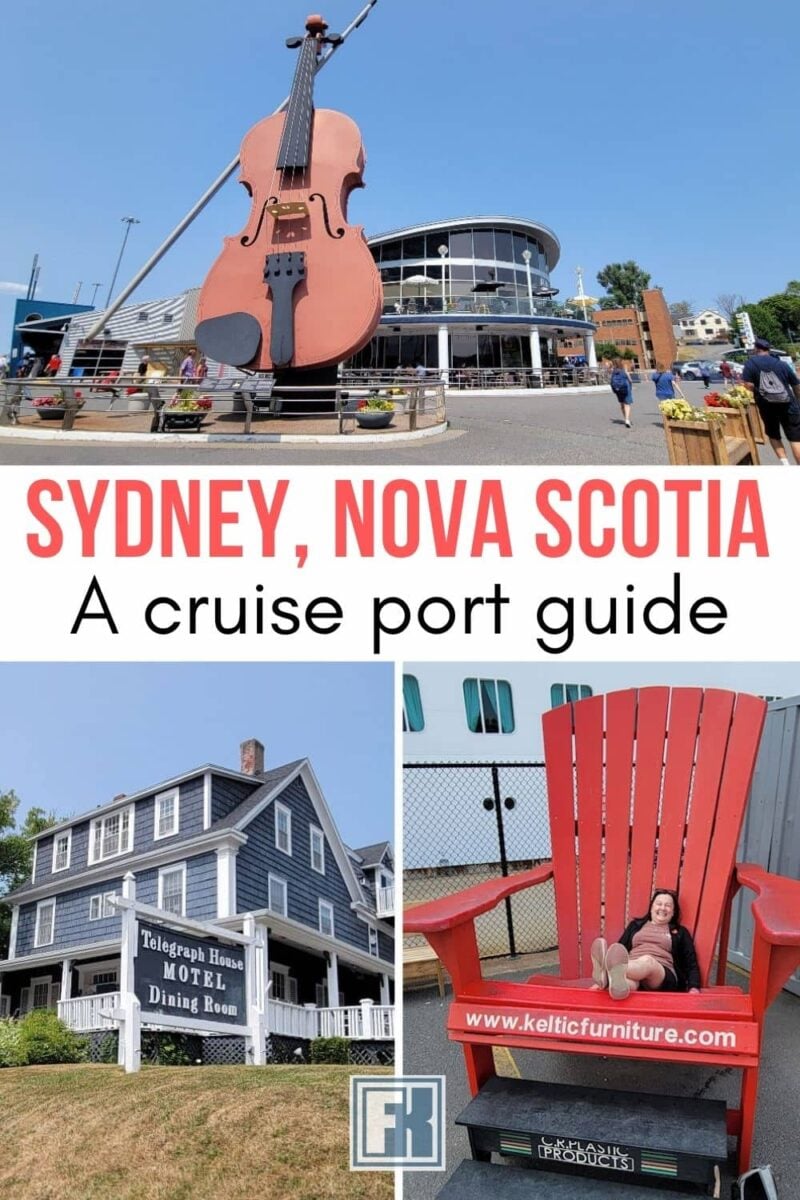
Sydney Nova Scotia Cruise Port: Excursions & Highlights
Sydney, on the scenic Cape Breton Island, welcomes over 200,000 guests on Nova Scotia cruises. This picturesque island offers a blend of maritime heritage and Highland culture. The Sydney cruise port welcomes over 120 ships annually.
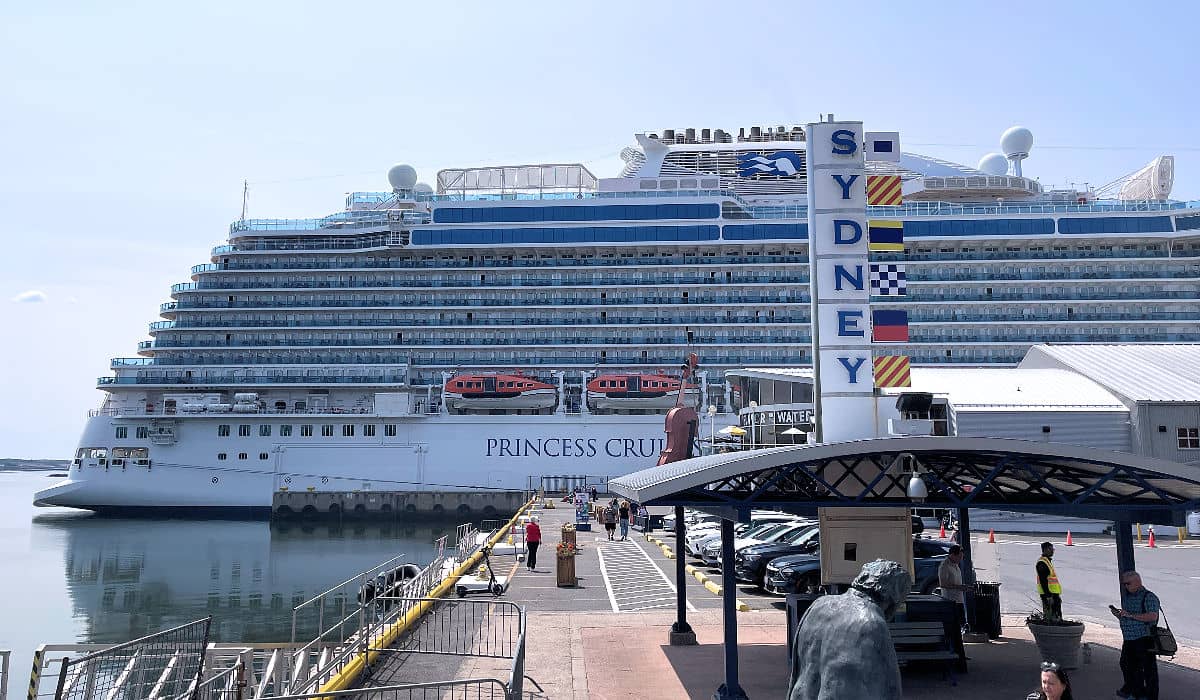
This Cape Breton port provides passengers with access to both urban amenities and Cape Breton’s renowned natural landscapes. We arrived on the Majestic Princess, sailing from the Flynn Cruiseport in Boston.
The downtown area is within walking distance of the port area. The short stroll makes it easy to reach local shops, restaurants, and cultural attractions without transportation.
Beyond downtown, there are excursions to the famous Cabot Trail, the historic Louisbourg Fortress, and towns where Celtic traditions still thrive. We took a short excursion to Baddeck and share our experience, the port, and what to do nearby.
Sydney Nova Scotia Cruise Port Overview
Sydney is less visited than Halifax, the province’s capital, but it serves as the primary port of call for cruise ships accessing Cape Breton Island. It’s renowned for its natural beauty and rich Gaelic heritage. Ships dock at the Sydney Marine Terminal, located at 70 Esplanade Street.
The cruise port is on Cape Breton Island’s eastern coast. It’s accessed off the Cabot Strait. The port is open year-round to both cruise and commercial vessels.
The terminal can accommodate one large cruise ship at its main berth. When multiple ships visit simultaneously, additional vessels must anchor in the harbor and transport passengers via tender boats to reach shore.
Joan Harriss Cruise Pavilion

The Joan Harriss Cruise Pavilion functions as Sydney’s dedicated cruise terminal facility. This modern terminal serves as a welcome center, a dining spot, and a place for last-minute shopping. It also has a visitor center.
Outside the pavilion, don’t miss the famous World’s Largest Fiddle landmark. Shops include yarn, tartan hats, local honey, and handmade soaps. I couldn’t resist purchasing a beautiful Harris Tweed handbag.
Cruise guests aren’t offered a shuttle to town as the walk is relatively short.
Top Attractions Near the Port
Sydney’s cruise terminal is within walking distance of several iconic attractions.
World’s Largest Fiddle
The World’s Largest Fiddle stands directly outside Sydney’s cruise ship terminal, making it impossible to miss. This 60-foot monument celebrates Cape Breton’s rich musical heritage and fiddle tradition.
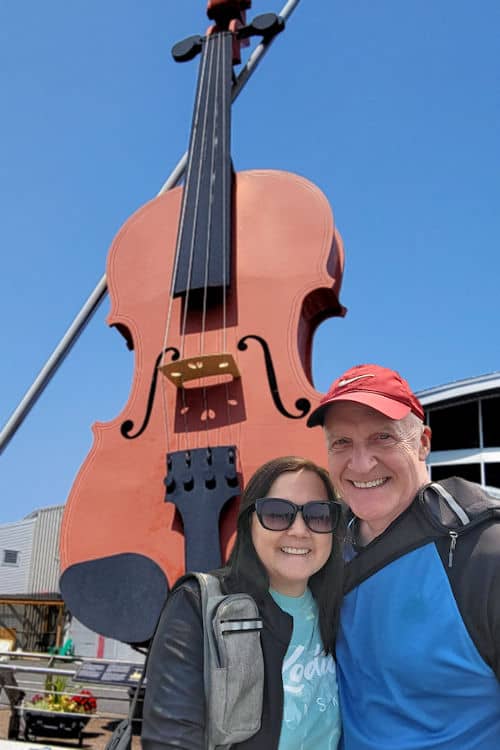
We couldn’t resist taking a selfie to remember our vacation in Sydney. The area buzzed with activity during our port day, creating a welcoming atmosphere.
The fiddle frequently hosts live musical performances by local artists throughout the year.
Sydney Waterfront Boardwalk
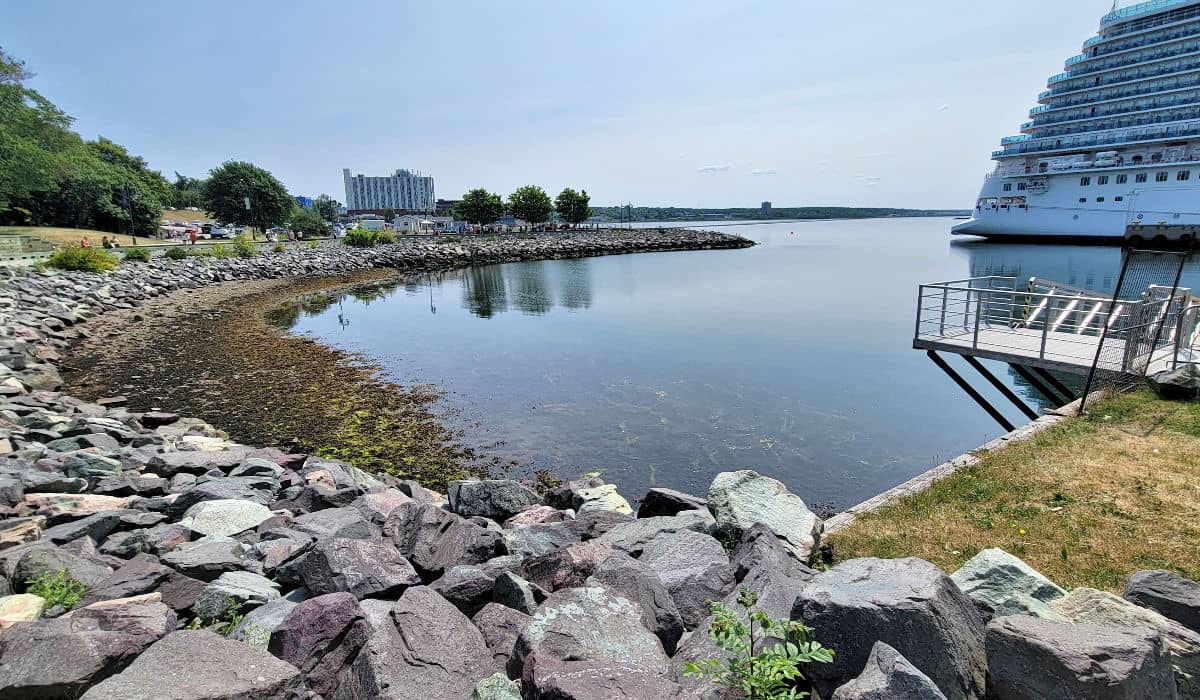
Sydney’s waterfront boardwalk offers stunning harbor views and connects multiple attractions along the scenic coastline.
We appreciated the width and accessibility of the boardwalk, which featured numerous benches where we could rest while watching ships pass by.
During the summer months, food vendors line the path offering local culinary specialties.
Historic Downtown Landmarks
For history buffs, several historic landmarks are easily accessible from the cruise port. Many buildings showcase Sydney’s evolution from a colonial settlement to a modern port city.
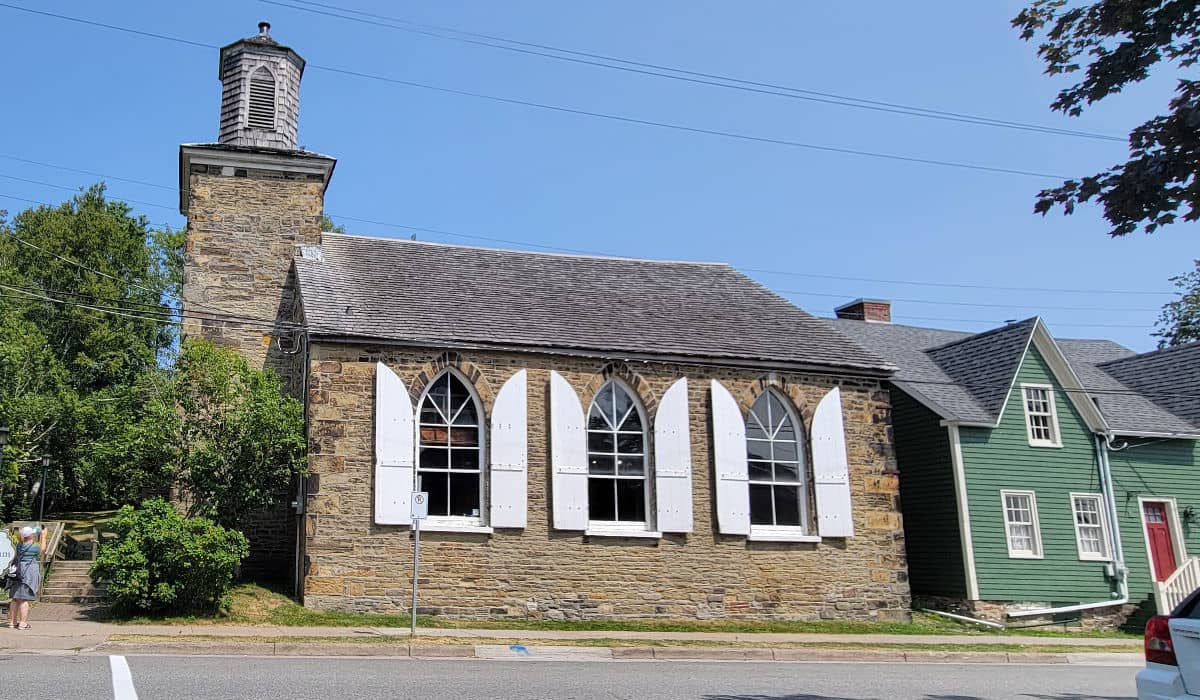
There are three museums within walking distance from the port: Jost House, Cossit House, and St. Patrick’s Church Museum. The latter is complimentary and directly across the street from the port.
Jost House and Cossit House feature historic residential architecture. The admission fee is under CAD 5 for each museum. Cossit House is one of Sydney’s oldest surviving buildings, named after Reverend Ranna Cossit, its original owner.
St. Patrick’s Church is the oldest catholic church in Cape Breton. Outside, it may look uninspiring, but its interior tells a compelling story. The church’s decades of renovations added a second story to accommodate a growing congregation.
Popular Cruise Excursions
If it’s your first time in Sydney or you’re unfamiliar with the port, booking a cruise line excursion may be a good idea. Here are the popular choices.
Fortress of Louisbourg National Historic Site
The Fortress of Louisbourg is one of North America’s largest historical reconstructions. Established in 1713, Louisbourg served as a strategic stronghold and bustling port, playing a pivotal role in the Anglo-French struggle for control over North America.
Today, guests experience the site’s vibrant past. Book a half day Louisbourg Fort tour to explore over a dozen reconstructed buildings staffed by costumed interpreters, including authentic 18th-century restaurants that bring the past to life.
The fortress’s two significant sieges, particularly the one in 1758, marked turning points in Canadian history, making it a must-visit destination for history enthusiasts and tourists alike.
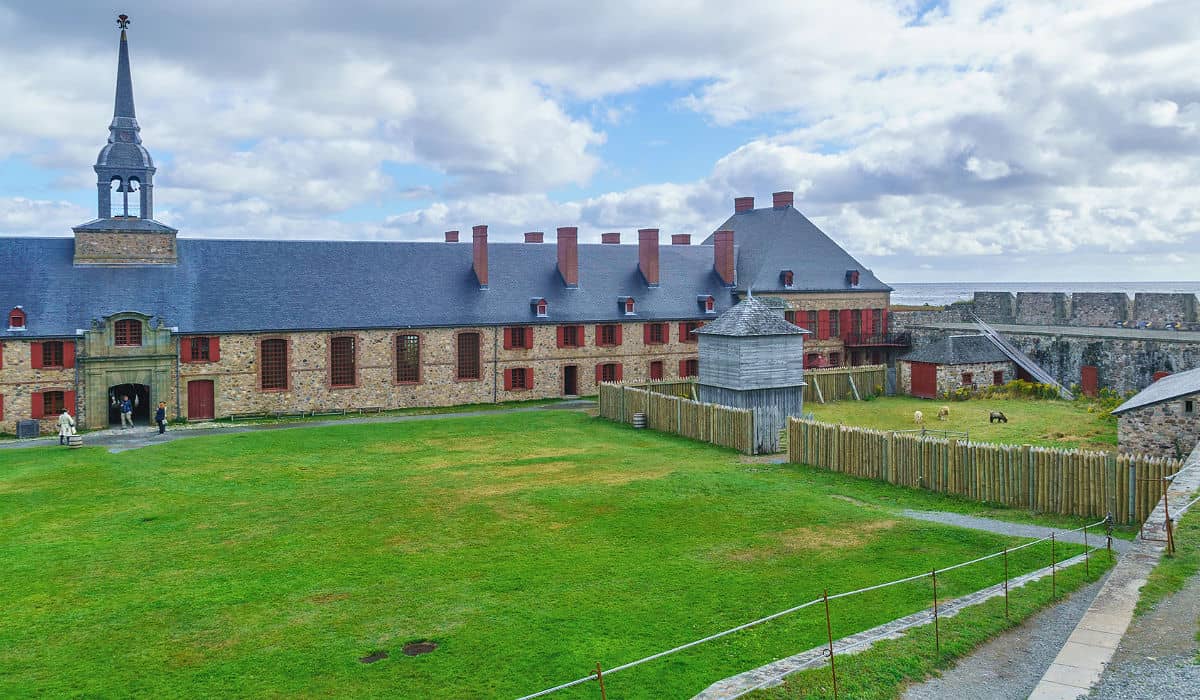
Through the efforts of Parks Canada and local associations, the Fortress of Louisbourg offers a unique glimpse into the daily life of its inhabitants during its heyday. Demonstrations include blacksmithing, military drills, and period cooking techniques.
The site spans 25 acres of the original fortress grounds. Archaeological excavations continue to reveal artifacts from the original settlement. This excursion typically requires 3-4 hours, including travel time from Sydney’s cruise terminal.
Cabot Trail
The Cabot Trail sounds like a hiking route, but it’s Canada’s most celebrated scenic drives. This 185-mile loop circles the northern portion of Cape Breton Island through Cape Breton Highlands National Park. It includes the towns of Baddeck, Ingonish, Cheticamp, and Neil’s Harbour.
Due to time constraints, cruise excursions cover select portions of the trail. The route offers numerous photo opportunities and a chance to enjoy dramatic coastal cliffs, pristine forests, and traditional fishing villages.

Wildlife sightings may include moose and eagles, or whales from coastal viewpoints. The trail passes through Acadian and Celtic communities, preserving distinct cultural traditions. Most cruise excursions dedicate 4 to 5 hours to this experience.
Highland Village
Highland Village, or Baile nan Gàidheal, is a living history museum dedicated to celebrating the rich Gaelic culture and the region’s heritage. Spanning 43 acres, the site features eleven historic buildings, including traditional frame houses, a church, and a forge, on the Bras d’Or Lake.
Established in 1959, the Folk Life Museum showcases the language, music, and traditions of the Scottish Gaelic community in Nova Scotia. Visitors can enjoy interactive exhibits, engage with costumed interpreters, and participate in cultural activities.
Half Day Trip To Baddeck
Baddeck sits on the shores of Bras d’Or Lake in Cape Breton’s scenic interior. This picturesque village served as Alexander Graham Bell’s summer home for over 30 years.
The Alexander Graham Bell National Historic Site anchors most visits. We took the excursion to the museum in Baddeck, and it was the highlight of our trip to Sydney.
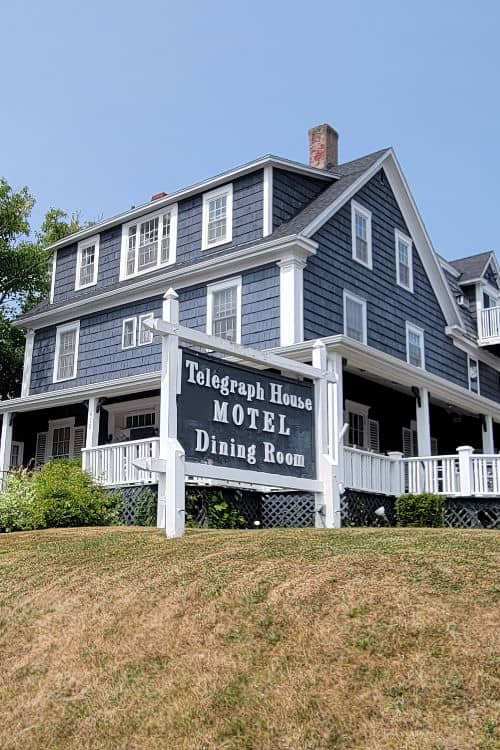
While we couldn’t see Graham Bell’s home, we explored downtown Baddeck and saw The Telegraph House Motel, where he once stayed. The room he stayed in is permanently closed to the public.
The village maintains its historic character through the preservation of Victorian architecture. Boat tours on Bras d’Or Lake showcase the area’s natural beauty.
Museums And Historical Experiences
Sydney’s historical sites span centuries of Canadian heritage, from 18th-century colonial homes to the birthplace of telecommunications innovation.
Alexander Graham Bell Museum
The Alexander Graham Bell National Historic Site features the life and inventions of the inventor of the telephone. We explored Bell’s inventions beyond the phone, including early aircraft and marine engineering projects. The museum displays original artifacts and interactive exhibits.
We saw his early telephone prototypes and phones throughout the ages, including modern-day cell phones. Upon entering the museum, the initial display features a timeline of events, including inventions by Thomas Edison.
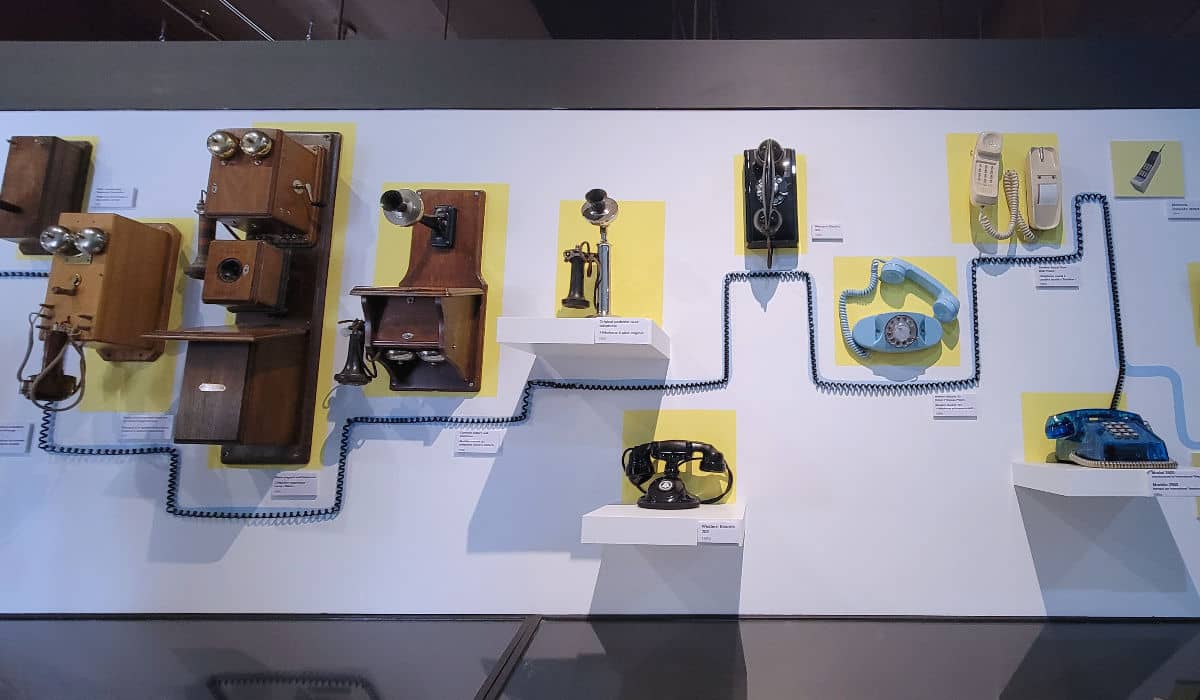
We found it interesting that Bell wasn’t fond of his invention of the telephone, which was created for the purpose of mining safety. So, he gave most of his shares in the Bell Telephone Company to Mabel Gardiner Hubbard, his wife.
The museum’s highlight includes the Silver Dart replica, representing Canada’s first powered flight in 1909. Along with the Silver Dart, we viewed a copper tubular radiator, a Curtiss gas tank, and a Kirkham 6-cylinder engine used on the first aircraft built in Canada.
Some of Bell’s inventions included:
- Audiometer – to detect hearing loss or residual hearing.
- Metal detector – his early prototype failed to find the bullet in James A. Garfield after he was shot.
- Photophone – a device that sends sound through a light beam.
Personal belongings and photographs reveal his family life at their Cape Breton estate. We learned the Bells liked to travel, and Helen Keller and Henry Ford stayed with them.
Don’t miss the views from the museum’s rooftop and see replica gardens created by Mabel Bell.

Cossit House Museum
Cossit House Museum represents Sydney’s oldest surviving house, built in 1787. This Georgian-style home belonged to Reverend Ranna Cossit, an Anglican minister who served the early colonial community.
The house contains authentic 18th-century furnishings and household items. We can view the original kitchen, complete with its massive fireplace, the dining room featuring period china, and the bedrooms adorned with handmade quilts. Each room tells stories of colonial family life.
Costumed interpreters demonstrate daily activities such as cooking, sewing, and candle-making. The museum’s collection includes Cossit family portraits, religious artifacts, and colonial-era tools. The herb garden outside grows plants used for medicine and cooking in the 1700s.
St Patrick’s Church Museum
St. Patrick’s Church Museum is located in a historic Catholic church built in 1828. The museum, located literally across the street from the cruise port, charges no admission fee and encourages donations instead.
The church’s original architecture remains intact, with original hand-hewn beams and arched windows. The interior is sparse, but it offers an insight into the historical past through its signage.
Highlights include:
- Stone three-foot-thick walls.
- Cornerstones that came from the Fortress of Louisbourg.
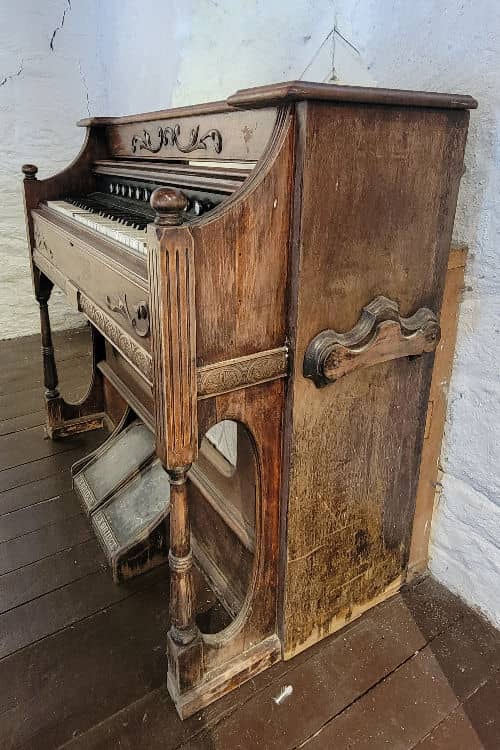
- An old organ from the Uxbridge Piano & Organ Co. found on the upper floor.
Jost Heritage House
Jost Heritage House dates to 1786, making it one of Sydney’s oldest wooden structures. Built by loyalist John Jost, the house exemplifies late 18th-century colonial architecture and lifestyle.
The museum features original wide-plank floors, hand-hewn beams, and period windows. It contains colonial furniture, kitchen utensils, and clothing from the loyalist period.
Each room represents different aspects of colonial life. The parlor displays formal entertaining customs, while the kitchen shows food preparation methods. The upstairs bedrooms feature period textiles and personal items.
Visitors learn about the lives of loyalists following the American Revolution. Documents and artifacts explain why families like the Josts chose Nova Scotia as their new home. Exploring Jost House makes a great add-on to seeing St. Patrick’s Museum.
Dining, Shopping, And Local Experiences
Sydney’s cruise port offers authentic Maritime flavors through fresh seafood restaurants and local artisan markets. The Joan Harris Cruise Pavilion and downtown area provide concentrated shopping opportunities with handcrafted souvenirs and Celtic products.

Local Cuisine And Seafood
Like New England, Nova Scotia is renowned for its seafood. Cape Breton specialties include fish and chips made with locally caught cod. Fresh mussels steamed in local ale represent a popular appetizer choice.
Many establishments serve lobster rolls featuring sweet Cape Breton lobster meat on toasted buns. Downtown Sydney restaurants offer live Celtic entertainment while enjoying regional dishes like rappie pie and seafood chowder.
The Joan Harris Cruise Pavilion houses Flavor H20 on the upper floor. It satisfies all your seafood taste buds with Atlantic mussels, East Coast crab cakes, Atlantic haddock, and lobster rolls. The lobster rolls we tried in Nova Scotia were as good as the ones in Maine, and a tad bit cheaper.
Maritime-themed Souvenirs
Souvenirs from Sydney include Maritime items such as lighthouse and ship replicas. Food products range from local maple syrup to regional honey.
Celtic memorabilia is just as popular. Local shops feature kilts, Celtic jewelry, tartan hats, handbags, and scarves. I purchased a Harris Tweed handbag for a better price than I could buy in the UK.
Many vendors set up seasonal outdoor markets near the waterfront. These temporary stalls feature fresh local produce and artisan foods.