
Cruises To Nova Scotia: Routes, Ports, And Top Experiences
Nova Scotia offers one of North America’s most captivating cruise experiences. Itineraries combine rugged coastal beauty with rich maritime history. Most cruises to Nova Scotia operate as part of Canada and New England voyages, typically ranging from 7 to 12 nights.
We live on the West Coast, so cruising the East Coast offers a refreshing change of scenery. Most sailings depart from New York, Bayonne, or Boston. We chose a 7-day return itinerary from the port of Boston.
Nova Scotia’s cruise appeal lies in Halifax’s massive natural harbor and the cozy charm of Sydney on Cape Breton Island. Smaller ports along the way bring a touch of local flavor to each itinerary.
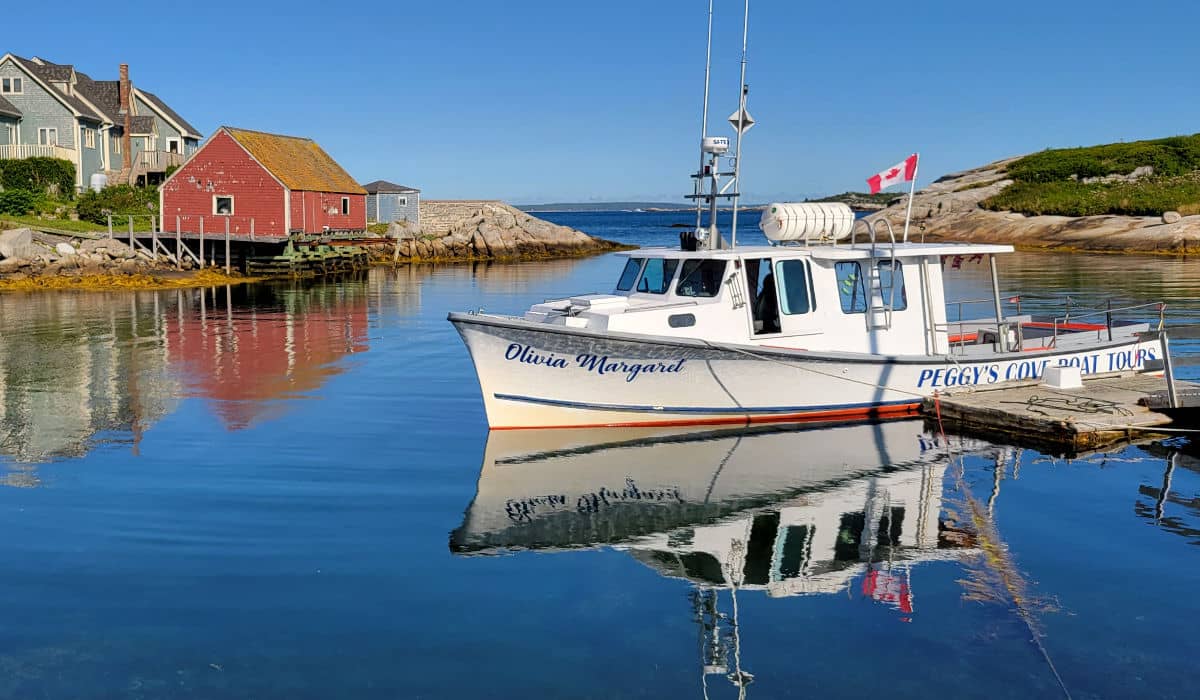
Many cruises stop at iconic spots to see places like Peggy’s Cove lighthouse. Others offer a taste of the region’s Celtic roots and rich seafood culture.
In this post, we’ll walk you through your cruise options. We include departure ports, best times to sail, and what to expect in each port of call.
Types of Cruises To Nova Scotia
Nova Scotia cruises vary significantly in duration and departure points. Guests can choose from short escapes to comprehensive maritime adventures. Most itineraries span 7-12 nights and depart from major East Coast ports, such as Boston, New York, or Cape Liberty.
Quick Getaways
Quick getaway cruises to Nova Scotia run 4 to 5 nights, making them ideal for first-time cruisers who want to test the waters or those seeking a short escape. These shorter itineraries usually include one stop in Halifax.
Cruise guests have the option to embark in New York or Bayonne, NJ. These shortened cruises have one sea day before and after Halifax. Royal Caribbean and Carnival Cruises operate many of these shorter options.
Classic Itineraries

Classic itineraries may include:
- Halifax – Full day exploring the waterfront, the Titanic Museum, and Citadel Hill.
- Sydney – A day to explore Cape Breton Island and access the Cabot Trail.
- Bar Harbor, Maine – Acadia National Park proximity.
- Saint John, New Brunswick – Bay of Fundy experiences.
Many major cruise lines offer these classic itineraries, and some provide the option to add a land tour. Cruise and land tours start in one city but end in another.
Boston to Toronto (or vice versa) or Washington to New York voyages dominate this category. Cruise tours typically last 14 to 15 days.
Repositioning Itineraries
Repositioning cruises offer unique access to Nova Scotia. These voyages are offered during the shoulder seasons when cruise lines relocate their ships to chase the sun. These typically occur in late spring and early fall as ships transition between Caribbean and European routes.
So, Nova Scotia stops are part of longer itineraries that range from 15 to 24 days or more and include a Transatlantic crossing. Transatlantic crossings with Nova Scotia visits often feature more sea days, lower pricing, and off-season availability.

Weather is less predictable, but off-season adventures encounter fewer crowds at popular attractions like Peggy’s Cove.
Major Departure Ports
Most Nova Scotia cruises depart from three primary East Coast ports. Bayonne offers convenient access to the New York area, Manhattan provides classic departure experiences, and Boston is the closest major port to Maritime Canada.
Embarking In Bayonne, NJ
Cape Liberty Cruise Port in Bayonne is the main departure point for New York area cruises to Nova Scotia. This port offers easier access than Manhattan terminals for passengers driving from New Jersey, Pennsylvania, and surrounding areas.
Royal Caribbean operates 9-night Nova Scotia itineraries from Cape Liberty. These cruises typically visit Halifax and Sydney, as well as ports in New England.
The port provides covered parking and a streamlined boarding process. This location is particularly convenient for passengers preferring to avoid Manhattan traffic.
Cruising From New York

There are just 13 miles between Cape Liberty Cruise Port and Manhattan Cruise Terminals. Manhattan offers more cruises from New York to Nova Scotia. Multiple cruise lines operate cruises to Halifax from New York during peak season from April through October.
Itineraries from here range from 7 days to 14 days or longer. The longer voyages travel through the Gulf of St Lawrence and combine Nova Scotia ports with those in Quebec.
Manhattan departures provide iconic harbor views during embarkation. Passengers can easily combine their cruise with pre- or post-cruise stays in New York City. Their itineraries often include a day in Boston.
Cruises Departing Boston
The Port of Boston is the closest major departure point for cruises to Nova Scotia. The shorter sailing distance allows for more time in Maritime ports. We liked that our cruise had only two sea days, and the travel time from the airport to the port is just 10 minutes.
Holland America Line and Princess Cruises maintain a strong presence in Boston, with regular departures to Nova Scotia. Since we had a shorter distance to sail, we didn’t have a typical sea day the day after sailaway.
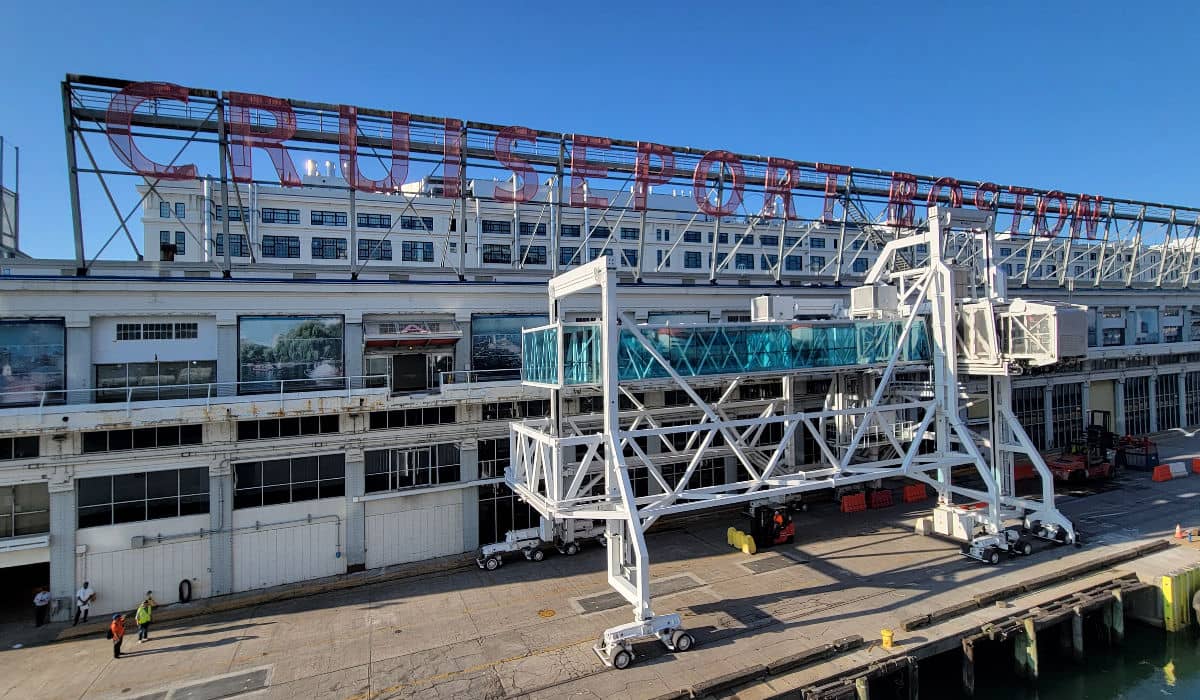
Itineraries from Boston typically have more ports in Canada, whereas New York and New Jersey departures favor ports in the United States.
The Flynn Cruiseport provides convenient access to downtown attractions. We recommend staying a day or two before or after your cruise to enjoy Faneuil Hall, the Freedom Trail, and the iconic Boston Tea Party Ships & Museum.
Top Nova Scotia Cruise Destinations
Nova Scotia’s cruise ports each tell a different story. Halifax buzzes with history and culture, while Sydney showcases Cape Breton’s rugged beauty and industrial roots. Lighthouses are plentiful, and so are eateries selling delicious lobster rolls.
Maine is often associated with lobster. However, we learned that due to climate change, lobsters have migrated north to the waters off Canada, where the water is colder.
Halifax
Halifax is Nova Scotia’s primary cruise port, welcoming ships from major departure points including New York. The city’s restored waterfront district boasts historic architecture, museums, and boutique shopping, all within walking distance of the cruise terminals.

Key attractions in Halifax include:
- Halifax Citadel National Historic Site, which sits on Citadel Hill.
- Historic Properties waterfront marketplace.
- Maritime Museum of the Atlantic.
- Peggy’s Cove lighthouse (45-minute drive).
Peggy’s Cove ranks among the most photographed lighthouses in Canada. This small fishing village is home to the iconic white lighthouse, perched on granite rocks that overlook the Atlantic Ocean. It didn’t disappoint, and the hum of the bagpipes at the lighthouse added to its charm.
We took a morning excursion to Peggy’s Cove, which left us with free time in the afternoon to explore downtown on a walking tour. From the dock, it took us 25 minutes to walk to the Halifax Citadel National Historic Site, and another 10 minutes to reach the Maritime Museum of the Atlantic.
The Halifax Citadel National Historic Site sits atop Citadel Hill. It’s where European settlers first established the city. This star-shaped fortress offers panoramic harbor views and military history demonstrations.

Ferry connections to Dartmouth provide additional sightseeing opportunities. The harbor crossing offers scenic views of Halifax’s skyline and naval installations. The ride takes 15 minutes.
Sydney
Sydney sits on Cape Breton’s eastern shore and acts as the island’s gateway. Once a center for steel and coal, it now celebrates its Celtic roots.
The waterfront buzzes with activity at the Joan Harriss Cruise Pavilion, home to artisan shops and cultural displays. Wander downtown and you’ll find heritage buildings, cozy eateries, and a hearty serving of Maritime flavor.
A short ride away, the Village of Baddeck is home to the Alexander Graham Bell Museum. It sits on the shore of Bras d’Or Lake, with views of Kidston Lighthouse on a clear day. The museum provided insight into Bell’s life, and it was the highlight of our day in Sydney.

Notable Features:
- Historic steel industry sites.
- Celtic music venues.
- Access to the Fortress of Louisbourg.
- World’s largest fiddle sculpture.
The Fortress of Louisbourg National Historic Site recreates an 18th-century French fortress town. Costumed interpreters demonstrate period crafts and military exercises within the partially reconstructed settlement.
Louisbourg, Cape Breton Island
Some smaller cruise lines stop in Louisbourg, which puts them closer to the Fortress of Louisbourg.
Cape Breton Island offers dramatic coastal scenery through the famous Cabot Trail scenic drive. This 300-kilometer loop route winds through Cape Breton Highlands National Park and traditional fishing communities.
Highlights include the Cabot Trail, whale watching opportunities, and Celtic music performances. Highland Village Museum showcases Scottish settler heritage through authentic buildings and demonstrations.
Highlights Include:
- Cape Breton Highlands National Park.
- Baddeck (Alexander Graham Bell’s summer home).
- Ingonish Beach and coastal cliffs.
- Traditional Celtic music venues.

Lunenburg And Scenic Small Towns
Lunenburg represents one of Canada’s best-preserved colonial settlements, designated as a UNESCO World Heritage Site. The town’s colorful wooden buildings date to the 18th and 19th centuries.
The Fisheries Museum of the Atlantic showcases traditional shipbuilding techniques and the history of the fishing industry. Lunenburg’s shipyards continue building wooden vessels using conventional methods.
Mahone Bay features three distinctive churches overlooking the harbor, creating one of Nova Scotia’s most photographed scenes. The town hosts numerous antique shops and pottery studios.
Digby specializes in scallop fishing, with local restaurants serving fresh scallops directly from the Bay of Fundy fleet.
Best Time To Cruise To Nova Scotia
The Nova Scotia cruise season runs from April through October. The peak sailing months are July onwards, offering warm temperatures and calm seas. Fall departures provide spectacular foliage viewing opportunities. However, packing for early and late itineraries is more challenging.
Summer Sailing Season
July and August represent the prime months for cruising in Nova Scotia. Average temperatures in Halifax reach highs of 74°F and lows of 54°F during July, creating comfortable conditions for shore excursions.

We cruised in August, which offers the driest weather with only 3.2 inches of rainfall in Halifax. Our ship had more families and larger groups, a common occurrence in summer.
The summer months are ideal for exploring outdoor attractions, such as Peggy’s Cove Lighthouse and coastal hiking trails. Peak season offers longer daylight hours, excellent whale-watching opportunities, and warm coastal temperatures.
We couldn’t have asked for better weather, and enjoyed each port without any rain or wind. The trade-off involves higher cruise prices, and pricey hotel stays.
Autumn Foliage Cruises
September and October cruises feature Nova Scotia’s famous fall colors. Maple, oak, and birch trees create brilliant displays of yellow, orange, and scarlet across the landscape.
Early September maintains pleasant temperatures around 60°F in Halifax. October brings cooler weather, but also spectacular scenery as leaves reach their peak intensity.
Determining when the trees change colors can be tricky. My sister took a fall cruise and missed the fall foliage because autumn arrived much later than expected.

Tips For Booking Cruises To Nova Scotia
Selecting the right cruise line and planning your time before and after the voyage significantly impacts your Nova Scotia experience.
Choosing the Right Cruise Line
Celebrity Cruises offers 10–14-night itineraries departing from Boston and Reykjavik. Their ships typically visit Halifax and Sydney, as well as ports in New England. Selected longer itineraries also visit Greenland and Iceland.
Royal Caribbean’s 4- to 9-day trips suit those who want a quick or standard getaway. They use their smaller ships, focused heavily on dining experiences and onboard activities during sea days. RCL is more family-focused with activities for all ages.
Princess Cruises has the largest choice of itineraries. Everything from your typical 7-day trips to ones that cross the Atlantic or travel to Florida. Nova Scotia ports are also included on their world and partial world cruises.

Book offshore excursions early to secure spots for popular activities. Many cruise lines offer packages with stops at several ports in Nova Scotia.
Planning Your Cruise
Pre-cruise planning should include downloading packing checklists specific to Canada-New England cruises. The weather in Nova Scotia varies significantly between seasons.
We recommend booking a pre- or post-cruise hotel as soon as possible. Hotels in New York and Boston are very pricey, and those near the ports often sell out.
For more budget-friendly options, consider staying near the airport instead. Our airport hotel saved us more than 50% off the cost of a downtown stay.
Research port excursions and book them well in advance of embarkation day. Popular tours fill up fast. Additionally, some cruise lines offer multiple departures. We preferred an early morning one to a a midday one, giving us free time to do some self-exploration.
Many travelers want to spend more time in the Maritimes. So, consider combining a Nova Scotia cruise with a land tour to maximize the region’s cultural and natural attractions. A Nova Scotia itinerary offers Celtic history, charming villages, and lighthouses galore.
