Nagasaki Cruise Port: Exploring The Beauty Of Kyushu, Japan
Nagasaki, a city rich in historical significance, offers travelers a unique blend of cultural traditions and beautiful scenery. Passengers who arrive on a cruise in the port of Nagasaki have a tough choice of port-day activities.
With a long list of historic sites, expect a busy day to explore as much of the city as possible. We stopped in Nagasaki on our Japan cruise on the Celebrity Millennium. It was the last port of our 12-day itinerary.
While we only had one day in Nagasaki, we managed to see its top attractions, including its famous Atomic Bomb Dome and the Peace Park.
Nagasaki is on Kyushu Island, Japan’s westernmost point. The city features many hills and is often referred to as the “slope city.” Its long history of international trade has had a lasting impact, evident in the blend of Eastern and Western influences throughout the area.
Where Is The Nagasaki Cruise Port
The Nagasaki Cruise Port is situated in the city center, making it easy to reach various attractions. The port’s central position allows visitors to explore Nagasaki’s rich history and culture with minimal travel time.
Port Facilities
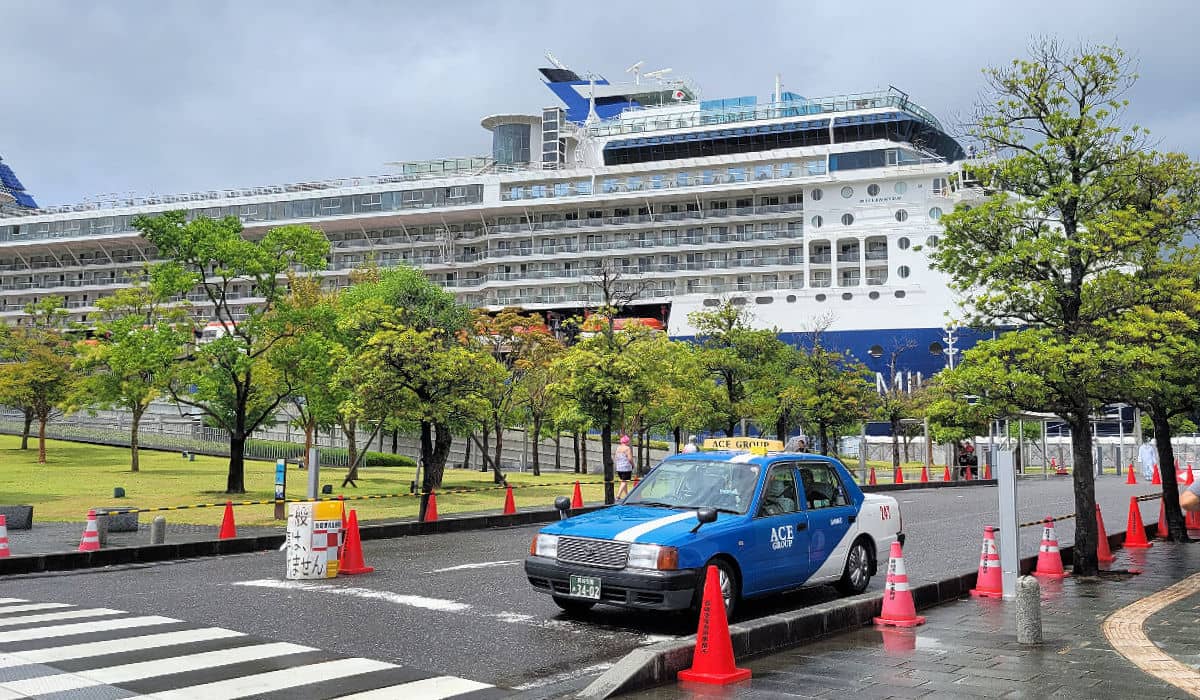
Cruise ships dock in Nagasaki at Matsugae Pier, a modern facility equipped to handle large vessels. The terminal building provides essential amenities for passengers, including information desks, restrooms, and complimentary Wi-Fi access.
Shops and cafes are located near the port area, where visitors can grab souvenirs or refreshments before or after their excursions. The pier offers stunning views of Nagasaki’s picturesque harbor, surrounded by hills on three sides.
Transportation From The Port
Unlike other ports in Japan, this one did not offer a cruise shuttle to access local attractions. While we took a four-hour tour in the morning, we spent the afternoon exploring on foot.
Visitors to the port have a range of transportation options. Taxis are plentiful, and the local tram offers an affordable way to explore the city. We could purchase an all-day tram pass at the terminal for 600 yen (300 yen for children).
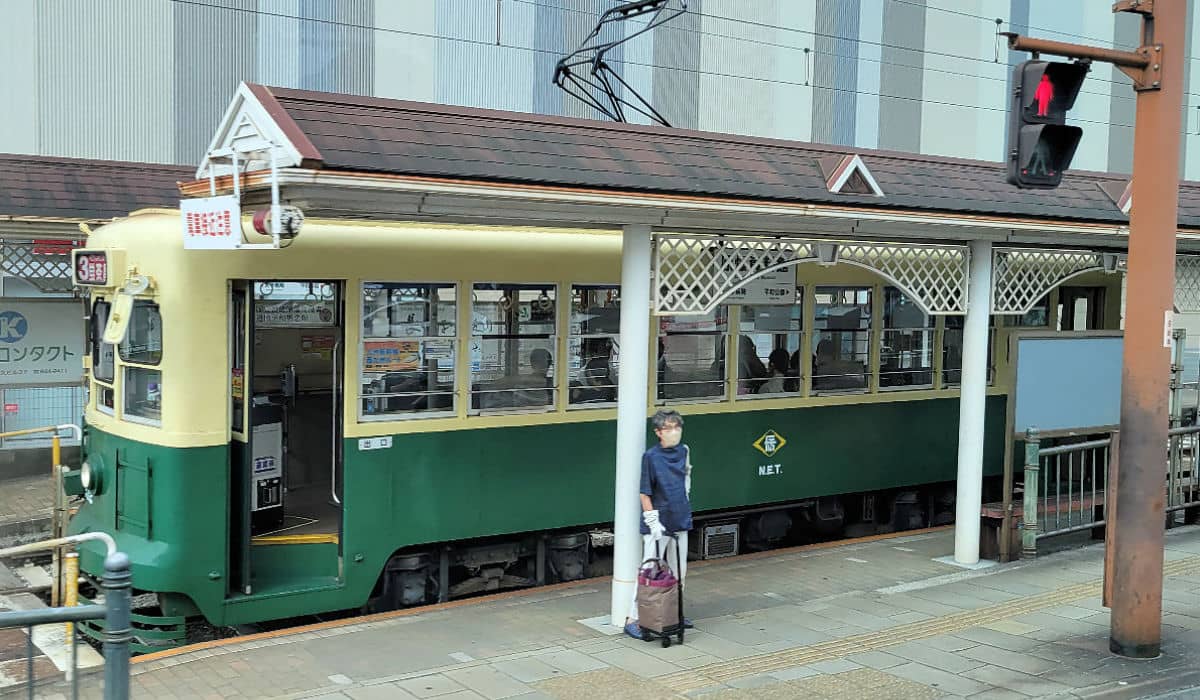
Alternatively, it costs 140 yen to ride the tram each time without an all-day pass.
Where Can You Walk To From The Port
Nagasaki Cruise Port’s central location allows easy walking access to many attractions. Glover Garden is a beloved landmark showcasing 19th-century Western-style residences. It’s just a 15-minute stroll from the pier.
In the afternoon, we took the scenic walk to Glover Garden. The uphill walk passed through a charming area with eateries and shops. It allowed us to sample and purchase Castella Cake, which this area is known for. If you’re hungry, Champon noodles are popular here, too.
Other nearby points of interest include:
- Chinatown (5 to 10-minute walk).
- Nagasaki Peace Park (20 to 25-minute walk).
- Dejima, the former Dutch trading post (10 to 15-minute walk).
- Shopping districts and local restaurants (5 to 15-minute walk).
Attractions Near Nagasaki Cruise Port
There are lots of tours from the Nagasaki cruise port that focus on the area’s somber history. Its top attractions are the Nagasaki Peace Park, Atomic Bomb Museum, and the Bomb Epicenter. Having visited Pearl Harbor and Hiroshima, our day in Nagasaki completed the World War II history.
Nagasaki Peace Park
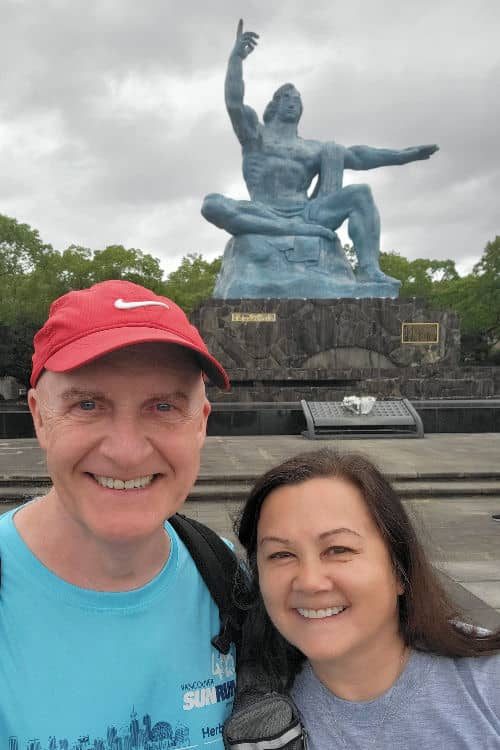
While the Nagasaki Peace Park is accessible by walking or transit, we appreciated the detailed commentary on our organized tour. The atomic bombing on August 9, 1945, killed almost 74,000 residents, or 37% of the city’s people.
Today, the city has doubled in population, and Peace Park is a solemn memorial to that fateful day. On the grounds, the Nagasaki Bell rings monthly at 11:02 am to symbolize peace.
A 10-meter-tall Peace Statue dominates the park. Its right hand points to the sky, signifying the danger posed by nuclear arms. In contrast, the left hand stretches horizontally, representing eternal peace.
Surrounding the statue, we admired the “Fountain of Peace” and sculptures donated by countries worldwide. A black stone monolith marks the epicenter.

The foundation of Urakami Branch Prison is visible here. It was the closest building to the bomb’s epicenter. The death toll here was 13,000.
Atomic Bomb Museum
Located near Peace Park, this three-story museum provides a comprehensive look at the atomic bombing. We liked the building’s design and spiral walkway, which featured “a string of thousand cranes.”
Outside, we saw a wall remnant of the Urakami Cathedral. Inside, the museum features additional items from the church, including a clock and melted rosaries. Photographs and personal accounts offer powerful insights into the bombing’s immediate and long-term effects.
Other exhibits display artifacts from the blast, including melted glass bottles and scorched clothing. We saw a reconstructed streetscape showing the city before and after the explosion, as well as a replica model of the “Fat Man.”
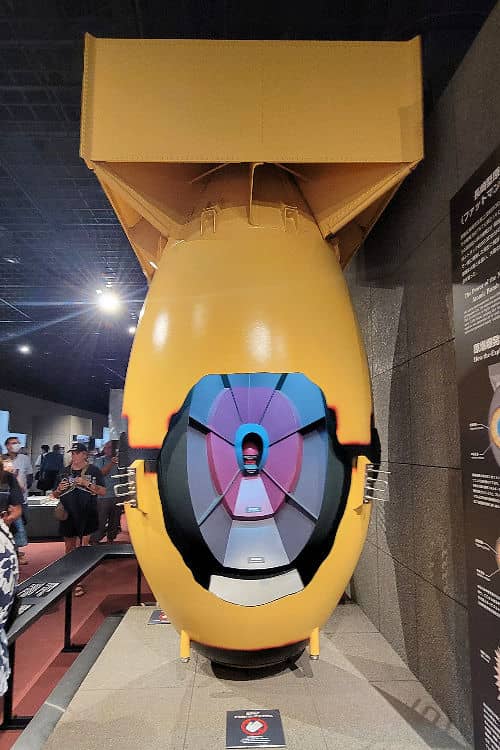
While we toured the atomic bomb museum on our port day in Hiroshima, we liked that this one had fewer crowds and felt less claustrophobic.
The museum also explores the history of nuclear weapons development and the global push for disarmament. Interactive displays help visitors understand the science behind atomic bombs and their devastating power.
Kofukuji Temple
Kofukuji Temple, founded in 1620, is one of Nagasaki’s oldest Chinese-style temples. Its ornate architecture reflects the influence of Chinese traders who settled in the city.
The temple’s main hall features intricate wood carvings and vibrant colors typical of Chinese Buddhist temples. A large stone gate marks the entrance, guarded by fierce-looking statues.
Inside, we found beautiful altars adorned with gold leaf and intricate sculptures. The temple grounds, with manicured gardens and a koi pond, provide a serene escape from the busy urban environment.
Nagasaki Penguin Aquarium
Home to multiple penguin species, including the colossal King Penguins, this aquarium offers a unique attraction near the cruise port. Visitors can observe penguins in naturalistic habitats, both above and below water.
We recommend you go early to purchase a penguin feeding ticket. The aquarium also features other marine life exhibits, including local fish species from Nagasaki’s waters.
A touch pool allows hands-on interactions with harmless sea creatures. The facility’s conservation efforts and breeding programs for endangered penguin species add an important educational component to the visit.
Occasionally, visitors can watch the penguins on “Penguin Beach,” a natural waterfront area in front of the aquarium.
Dejima And Glover Garden
Dejima, a fan-shaped artificial island, once served as the sole trading post between Japan and the outside world during the country’s period of isolation. It’s been restored to its 19th-century appearance with period buildings and exhibits.
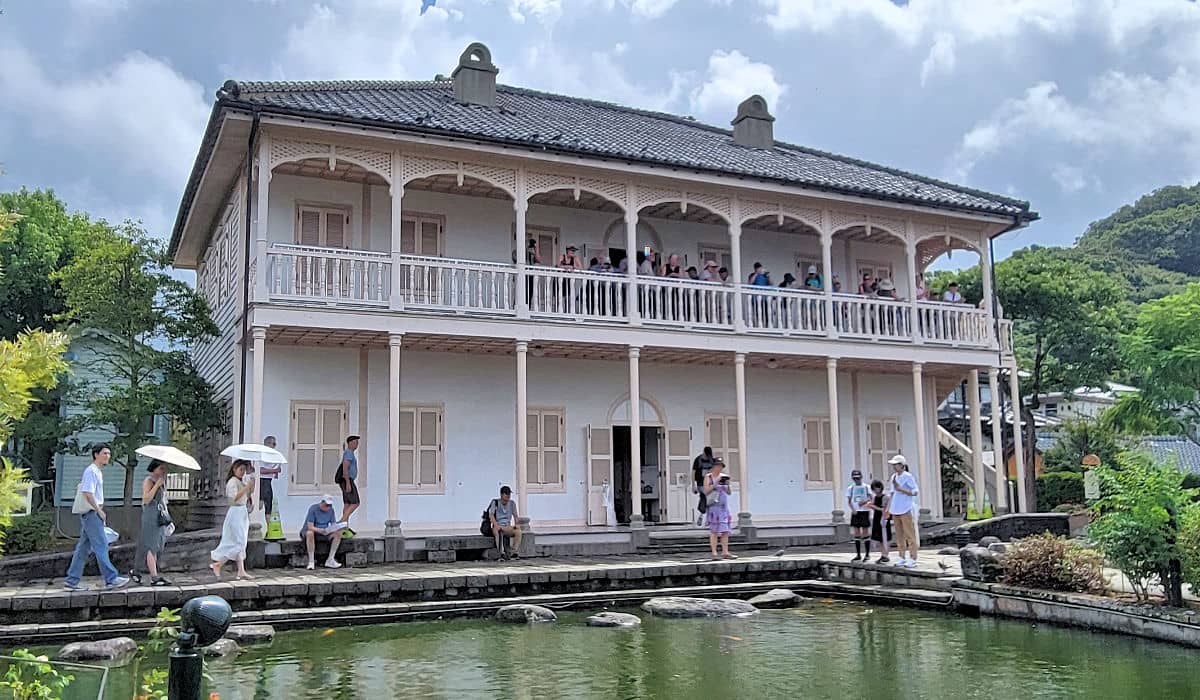
Nearby, Glover Garden surprised me with its mix of Western-style houses from the late 19th century mingled with Japanese gardens. As we entered the garden, escalators took us to the top, where we started our tour and walked down.
While the attraction is marketed as a “Garden,” the hightlight was the period homes, some with furnished interiors. I fed large Koi in the pond by the former Mitsubishi Shipyard No.2 Dock House. The carp food was 100 yen, available from a nearby machine.
The star attraction is the Glover Residence, Japan’s oldest surviving Western-style wooden building near the end of the self-guided tour. This UNESCO World Heritage Site was named after Thomas Glover who built Japan’s first train line.
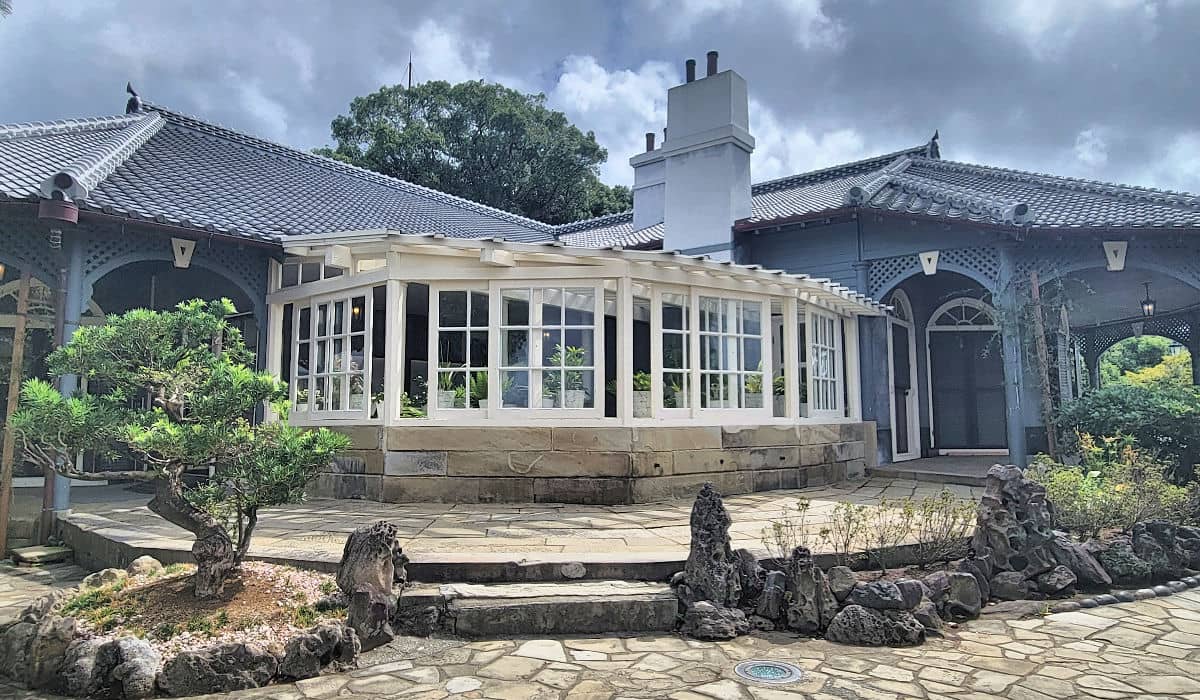
We enjoyed lovely views of our cruise ship in port from this higher elevation.
Mt. Inasa & Nagasaki Ropeway
Mount Inasa Park, above Nagasaki, offers breathtaking panoramic views of the city and its harbor. The Nagasaki Ropeway whisks visitors to the summit in about 5 minutes, with trams departing every 15 to 20 minutes.
At night, the view transforms into a “Million Dollar View,” although most cruise ships don’t dock long enough to see the views after sunset. If you plan to visit for aerial views, a complimentary shuttle has pickup points from various Nagasaki hotels. However, reserving the shuttle is required.
Oura Catholic Church
This Gothic-style church, built in 1864, is Japan’s oldest existing Christian church. Its striking white exterior stands out on a hillside overlooking the Port of Nagasaki. Since it’s on the way to Glover Garden, you can plan to visit both.
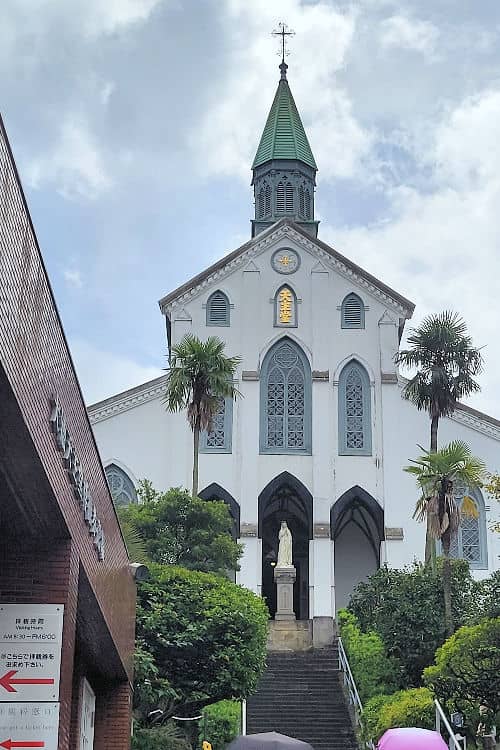
Visiting hours are 8:30 am to 6 pm., and the entrance fee is 1000 yen. Inside, we found beautiful stained-glass windows and religious artifacts. The church played a significant role in the history of Christianity in Japan, which was once banned.
The entrance fee includes access to a small museum about the persecution of Christians in Japan and the church’s construction. The grounds offer lovely views of Nagasaki harbor.
Nagasaki Confucius Shrine
This shrine, dedicated to the Chinese philosopher Confucius, reflects Nagasaki’s historical ties with China. It’s the only Confucian shrine in Japan built by Chinese residents.
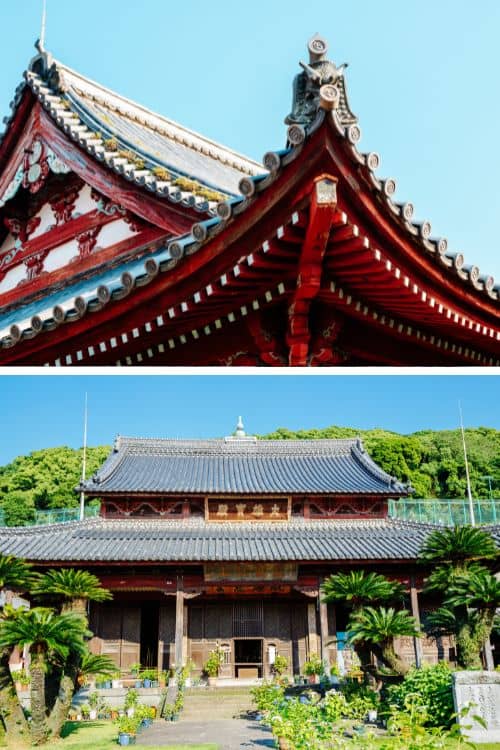
Red lacquered buildings and intricate roof ornaments showcase traditional Chinese architectural styles. The center hall features a statue of Confucius and tablets inscribed with his teachings.
While this shrine isn’t large, its red and gold detail and architectural style pack a punch. Beautiful gardens surround the shrine, featuring stone lanterns and a koi pond. The shrine hosts cultural events throughout the year, including Chinese New Year celebrations.
Dining And Shopping
Nagasaki’s cruise port offers visitors a taste of local flavors and unique shopping experiences. From traditional Japanese cuisine to modern retail centers, there’s something for every traveler’s palate and budget.
Local Cuisine Options
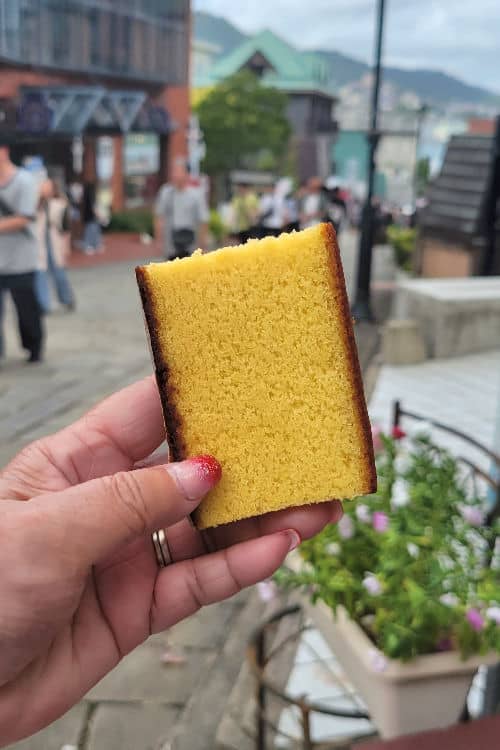
Nagasaki’s culinary scene is a fusion of Japanese and international influences. We purchased the famous Castella cakes in individual servings to sample, before buying a multiflavored gift set. I thought the honey, with its extra sweetness, was the best.
We recommend trying Champon, a hearty noodle dish with seafood and vegetables. While it can be purchased in other parts of Japan, Nagasaki Champon is the best.
Saraudon, a crispy noodle variation, is another local specialty worth sampling. If you’re craving western food, try a Sasebo Burger, which satisfies those with larger appetites.
Street food enthusiasts will enjoy exploring the local markets. Here, you can enjoy fresh seafood and dishes highlighting seasonal ingredients unique to Nagasaki.
Shopping Districts
The area around Nagasaki Port Terminal is a convenient starting point for shoppers. A multi-story shopping plaza next to Dejima Wharf combines domestic and global brands. You’ll find clothing stores, a grocery store in the basement, and familiar chains like Starbucks.
Glover Street is a great shopping venue north of the cruise port if you don’t want to walk far. We like the selection of goods, from chocolates and cakes to blown glass and souvenirs.
Nagasaki’s compact city layout makes it easy to combine shopping with sightseeing. Many stores are within walking distance of major attractions or accessible by the city’s efficient streetcar system.