
Fukuoka Cruise Port: Essential Guide For First-Time Visitors
Fukuoka Cruise Port, also known as Hakata Port, is a popular stop for cruise guests exploring Japan’s southern island of Kyushu. Located in Fukuoka Prefecture, we stopped at this port on a Celebrity Cruise around Japan. Our day in Fukuoka came after a Busan, South Korea port stop.
One of the standout features of Fukuoka is its renowned food scene, particularly its famous Hakata ramen, which attracts food enthusiasts from around the world.
The city is also celebrated for its beautiful parks, historic temples, and lively festivals. We found Fukuoka City mixed traditional with contemporary Japan.
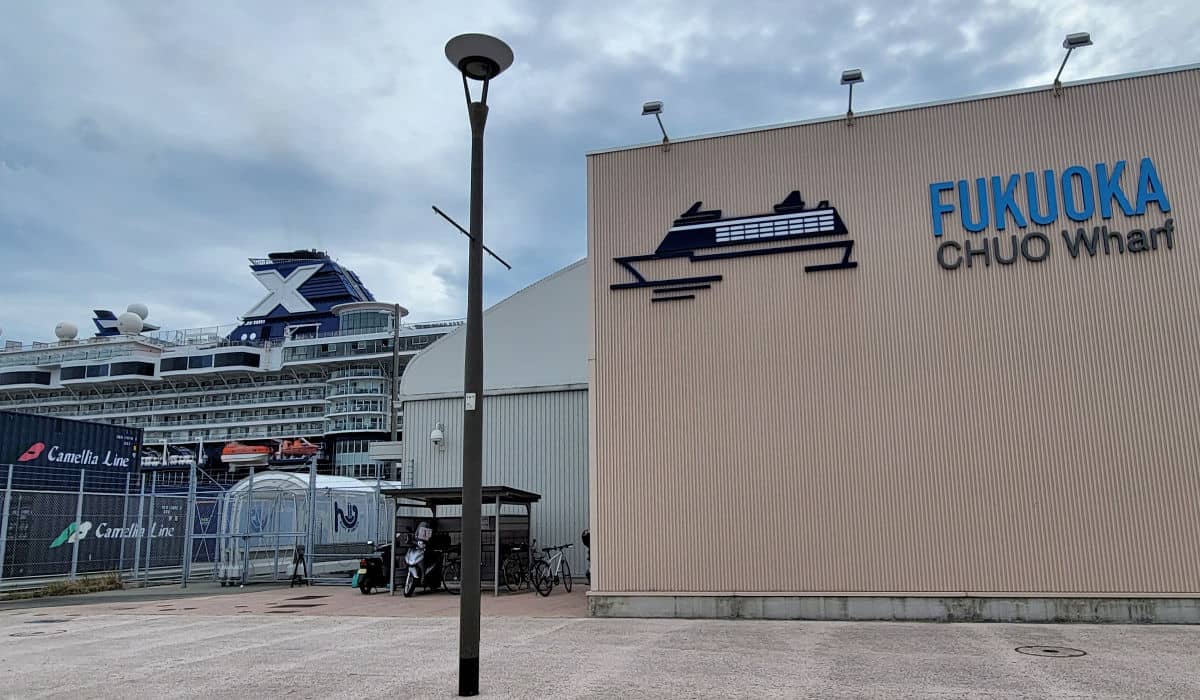
Our Celebrity Millennium cruise only offered a few excursions in this port. Since it was easy to reach downtown, we explored the city independently, allowing us to cover more ground.
Overview Of Fukuoka Cruise Port
Fukuoka Cruise Port, in Hakata Bay, serves Japan’s sixth-largest city. The port has modern facilities and provides easy access to the vibrant urban center.
Typhoon season hits Japan between August and October. We cruised in September and were lucky to have avoided a typhoon that hit shortly before our arrival.
Location And Accessibility
The port features two main terminals; Fukuoka Chuo Wharf and Fukuoka Hakozaki Wharf. Both are equipped to handle large cruise ships.
We docked at the Fukuoka Chuo Wharf, which has a large passenger building.
Cruise Terminal Amenities
The cruise center building at the port has complimentary Wi-Fi, washrooms, currency exchange, and banking machines for withdrawing cash.
However, you’ll need to travel downtown for shopping, attractions, and most other conveniences.

Transportation From The Port
There are several transportation options available from Fukuoka Cruise Port:
- Our cruise line provided a complimentary shuttle to Fukuoka City Hall. The ride took around 20-30 minutes due to traffic. There is complimentary Wi-Fi at city hall. For a return ride, the shuttles departed city hall every 15 minutes.
- Local bus services connect the port to key destinations.
- Taxis and rideshare were readily available. Pickup and drop-off were convenient at the port.
- Hakata Station, served by the Kyushu Shinkansen high-speed rail line, is accessible from the port. The subway is also a good option to access other areas. However, the underground doesn’t go directly to the port, so it’s best to catch the complimentary shuttle to access it.
Where Can You Walk To From The Port
It’s possible to walk to these areas, depending on your level of fitness and weather conditions:
- Canal City Hakata: An extensive shopping and entertainment complex.
- Kushida Shrine: One of the oldest Shinto shrines in Fukuoka.
- Nakasu: A vibrant entertainment district known for its yatai (food stalls).
- Tenjin: The city’s main shopping area.
These destinations are within a 15–30-minute walk from the port. We visited at the end of September when Japan was experiencing an unseasonal heat wave. With daytime highs of 100F or around 38C, we chose to take the shuttle and walk from city hall.
Fukuoka Attractions And Activities
Fukuoka offers a diverse array of attractions, catering to many interests. This vibrant city has something for everyone, from historic sites to modern marvels.
We found fewer UNESCO World Heritage Sites at this destination compared to the cruise port of Shimizu or Osaka. Munakata Taisha Shrine, the one site reachable from the port, requires a lengthy travel time.
Hakata Old Town
Hakata Old Town represents the heart of Fukuoka’s traditional culture. The information guides at the port recommended this area to us, and Old Town didn’t disappoint us.
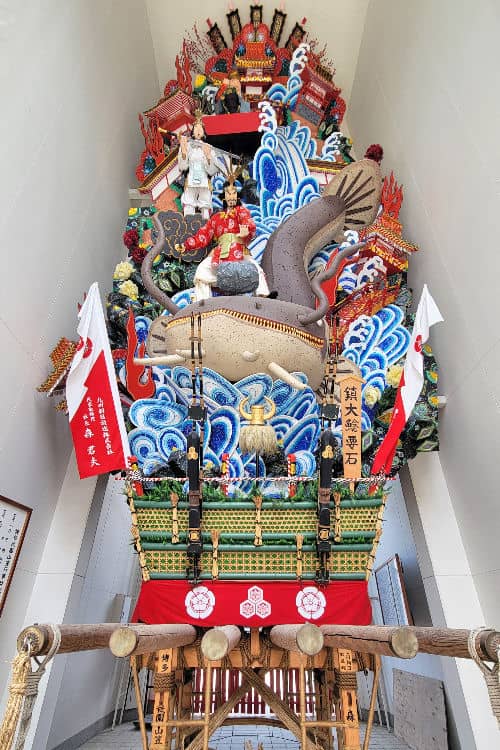
The area oozes with timeless charm and historical significance. This is the district to explore if you love old temples and architecture. One of the highlights was a large decorated Yamakasa. These flamboyant floats are carried 5 km through the streets during the festival of Fukuoka in July.
There are two types of floats: the larger kazariyama and the smaller kakiyama floats. Many of these can be viewed in this district when not in use.
The narrow streets of Old Town are adorned with traditional machiya houses, small shrines, and temples. We found a lot packed into a small area, so it took a little walking to see a variety of architecture.
Other highlights included the five-storied pagoda, a giant wooden Buddha at the Tochoji Temple, and the Hakata Sennen-no Mon, also known as the Hakata Thousand Year Gate.

Fukuoka Tower
At 234 meters, Fukuoka Tower is the city’s iconic landmark. Located on the waterfront west of the cruise port, the observation deck offers panoramic views of Fukuoka and Hakata Bay.
Completed in 1989, it is the tallest seaside tower in the country. The tower is open daily from 9:30 AM to 10:00 PM, and their entry fee is affordable.
There’s a place to leave a love lock and a vending machine to purchase one. From the ground, the tower’s unique triangular shape makes it a recognizable symbol of Fukuoka’s skyline.
Fukuoka Castle Ruins
Once a majestic fortress, the ruins of Fukuoka Castle now provide a window into the city’s feudal history. Constructed in the early 17th century by the influential Kuroda clan, the castle was strategically positioned to provide protection from potential invasions.
Today, the remnants of this historic site serve as a reminder of Japan’s rich history and architectural prowess. While much of the castle is gone, the grounds feature stone walls, gates, moats, and turrets spread across Maizuru Park.

The site has a few remaining structures that highlight the castle’s original grandeur. It’s positioned next to Ohori Park, nearby Korokan ruins, and the Fossil Emporium & Museum, so plan to visit a few simultaneously.
Since it takes several buses to reach the castle ruins by bus, taking an organized excursion or taxi is best. Like most places in Japan, this one is particularly beautiful during cherry blossom season.
Fukuoka Zoo And Botanical Garden
Located 6 km south of the cruise port, the Fukuoka Zoo and Botanical Garden provides a green oasis in the city. Established in 1979, the zoo is home to a diverse range of over 150 animal species, including elephants, lions, and adorable red pandas.
For gardening enthusiasts, the botanical plantings include both native and exotic flora, with seasonal flower displays throughout the year. Since these attractions are together, you’re getting a 2-for-1 in one admission fee.
Highlights include:
- Children’s zoo area.
- Tropical plant greenhouse.
- Japanese garden.
The facility is large, so wear comfy shoes and be prepared to walk your feet off.
Kushida Shrine
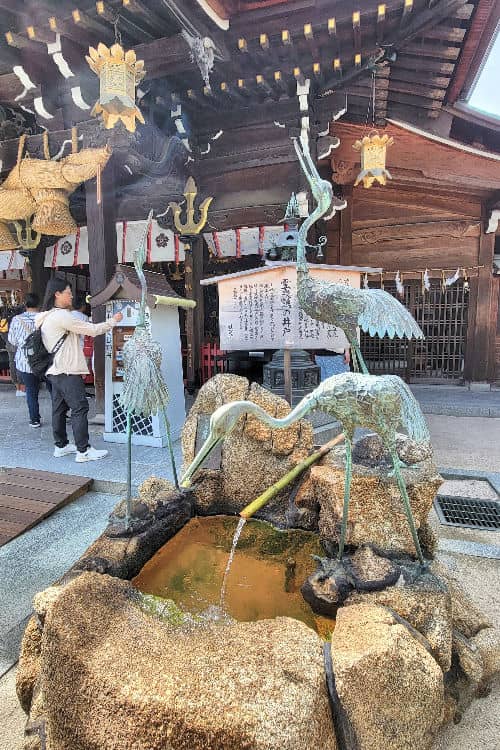
Kushida Shrine stands as one of Fukuoka’s most important Shinto sites. It’s found in Hakata Old Town and covers a larger footprint than other shrines. There are several gates to enter the courtyard and an area that displays their colorful Yamakasas.
There’s a lot to see and admire at the shrine. Highlights include:
- The small red Torii Gate tunnel attracts fewer crowds than the more famous Torii Gates.
- A spring water foundation by the main hall, featuring lovely crane statues.
- A 1,000-year-old sacred Gingko tree.
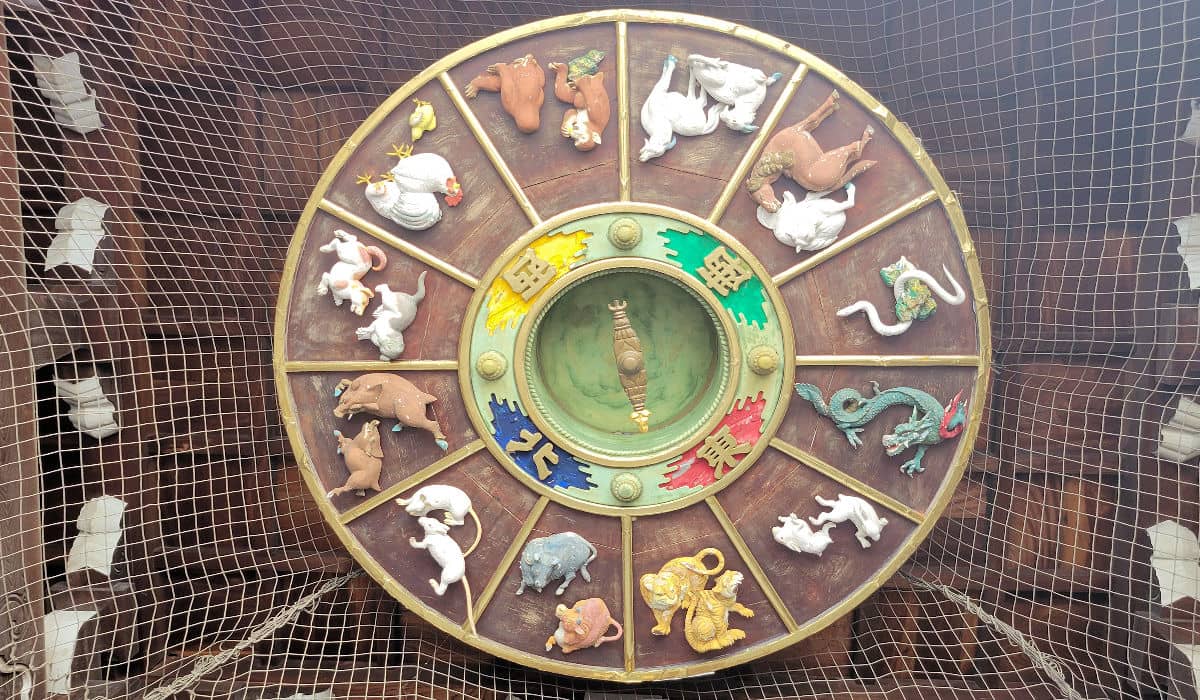
- One of the gates features a carved Zodiac ceiling.
We admired the ornate architecture and particularly liked the zodiac-carved ceiling. The shrine is the starting point for the famous Hakata Gion Yamakasa festival held each July.
Visitors can purchase omamori, which is said to bring good luck and ema (wooden prayer plaques) at the shrine.
Ohori Park
Ohori Park spans over 100 hectares and is an urban oasis adjacent to Fukuoka Castle ruins. The urban oasis surrounds an artificial lake, with walking paths and cherry blossom trees creating a serene escape from the city.
Activities include cycling, jogging, and picnicking, while the nearby Fukuoka Art Museum adds a cultural dimension to the experience. Visitors can rent paddleboats and rental boats if preferring to enjoy the views from the water.
Ohori Park can be accessed from the subway from either Ohori Park or Tojinmachi Stations.
Nanzoin Buddhist Temple
Nanzoin Temple is home to the world’s largest bronze reclining Buddha statue. Reaching this temple in Sasaguri requires a one-hour train ride on the Fukuhokuyutaka Line from Hakata Station to Kidonanzoin-Mae Station.

We loved that admission was complimentary, and there was a lot of space to roam. Weekends can get busy, so weekdays are preferable for a visit, although you won’t have a choice of day when arriving by cruise ship.
The highlight, of course, is the 41-meter-long reclining Buddha. As a temple, it has strict rules. These include not showing tattoos or wearing revealing clothing, no selfie sticks or tripods, no taking videos, and no eating or drinking while walking the temple grounds.
Canal City
Hakata’s Canal City is a modern entertainment area built around an artificial canal. Its inspiration came from a “city within a city,” creating a lively atmosphere that encourages exploration. It was an easy walk from city hall, crossing the Naka and Hakata Rivers.
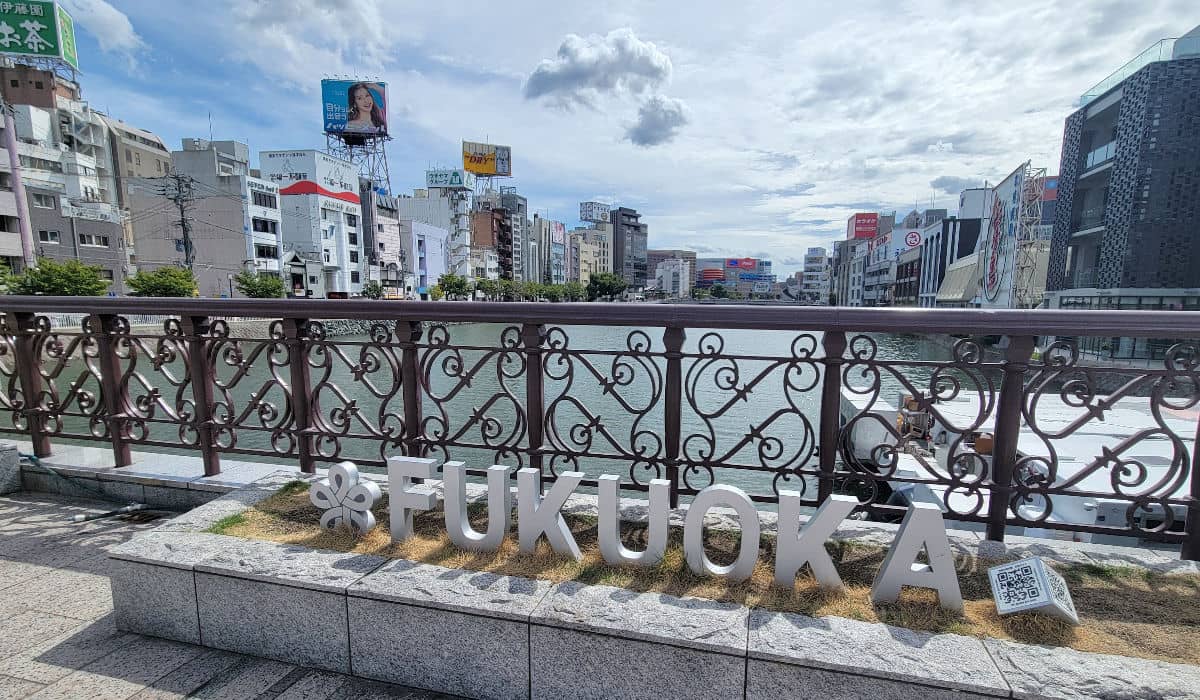
The colossal shopping center has all the leading brands, movie theaters, and the popular Ghibli shop. Ghibli is a Japanese animated studio that produces its own movies, books, and theme parks. It’s Japan’s version of Disney.
Canal City features a daily fountain show, which is especially impressive at night. Dining is a treat here, with lots of local favorites. Must-tries include matcha desserts, ramen, and Okonomiyaki, a savory pancake.
Shopping And Dining
Fukuoka offers excellent shopping and dining experiences for cruise visitors. We found some restaurants offered English menus and used Google Translate for those that didn’t.
Shop At Hakata Kawabata-dōri
Hakata Kawabata-dōri is Fukuoka’s oldest shopping arcade, stretching nearly 400 meters. Amongst the 150+ stores, we found a mix of traditional and modern shops lining this covered street.
Shopping in Fukuoka was less expensive than hubs like Osaka and Kyoto. Look for local specialties like Hakata dolls and traditional ceramics. Fashion boutiques and trendy stores also abound.
Kawabata Shopping Arcade connects to Canal City, a massive shopping and entertainment complex. What you can’t find in one location, you can locate in the other.
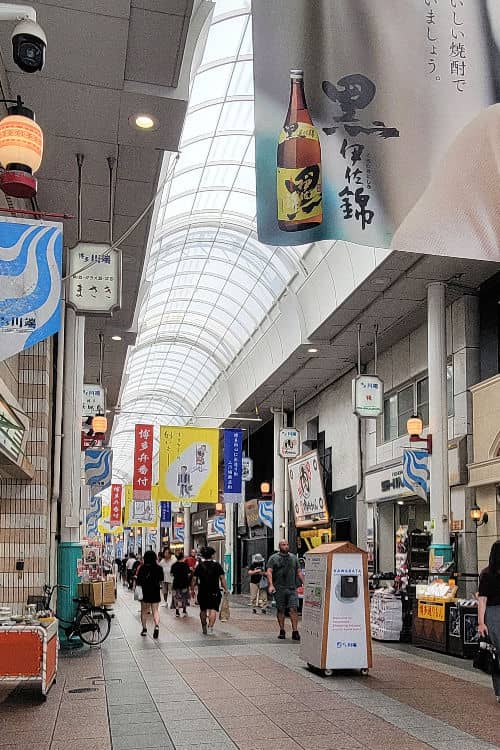
Canal City features over 250 shops, cafes, and restaurants built around an artificial canal. Its unique architecture and water features make it a must-see destination for shoppers.
Yatai Street Stalls
For an authentic dining experience, we suggest trying Fukuoka’s famous Yatai street food stalls. These open-air food carts pop up along the Naka River each evening.
Experience local delicacies such as Hakata ramen, grilled skewers, and Oden hot pot. The vibrant atmosphere and the chance to interact with locals make visiting yatai (street food stalls) an enjoyable cultural experience.
Given Japan’s proximity to South Korea, you’ll also find a delightful mix of Japanese and Korean cuisines. Popular areas to explore include Nakasu Island and Tenjin. We recommend arriving early to enjoy the best selection and seating options.
Be aware that cash is still the most common and preferred payment method at street stalls and other countries’ currencies are not accepted.
We decided to sit indoors for lunch to escape the late summer heatwave. While our choice didn’t have air conditioning, it allowed us to enjoy great food and rest our weary feet.
