Cruising around Japan offers a captivating mix of modern innovation, ancient traditions, and breathtaking natural beauty. The Japanese Yen (JPY) is the official currency. While credit cards are accepted by many vendors, cash remains preferred in smaller towns and rural areas, as well as for purchasing train tickets.
Japanese is the primary language, though English is sometimes understood in major tourist destinations and on cruise excursions.
Cruise itineraries often include Tokyo (Koto City) or Yokohama, where towering skyscrapers meet serene shrines and vibrant neighborhoods like Shibuya, Shinjuku, and Asakusa.
Along the southern coast, ports such as Kobe and Osaka invite travelers to explore world-class cuisine, historic castles, and nearby cultural treasures, such as Kyoto and Nara.
On the northern side, Hokkaido’s ports—like Otaru and Hakodate—offer cooler climates, scenic mountain views, and exceptional seafood. Farther south, Nagasaki and Okinawa showcase Japan’s subtropical charm, wartime history, and welcoming island culture. Each port reveals a unique aspect of Japan, from cherry blossoms in springtime to autumn foliage and summer festivals.
Cruise travel in Japan has grown steadily. While many international visitors still explore Japan by rail, cruising provides a relaxed alternative that highlights both iconic cities and lesser-known coastal gems.
The best time to cruise Japan is from March to May and September to November, when the weather is mild and the scenery is most spectacular. Japan cruises often include a stop in South Korea.
Nagasaki, a city rich in historical significance, offers travelers a unique blend of cultural traditions and beautiful scenery. Passengers who arrive on a cruise in the port of Nagasaki have a tough choice of port-day…
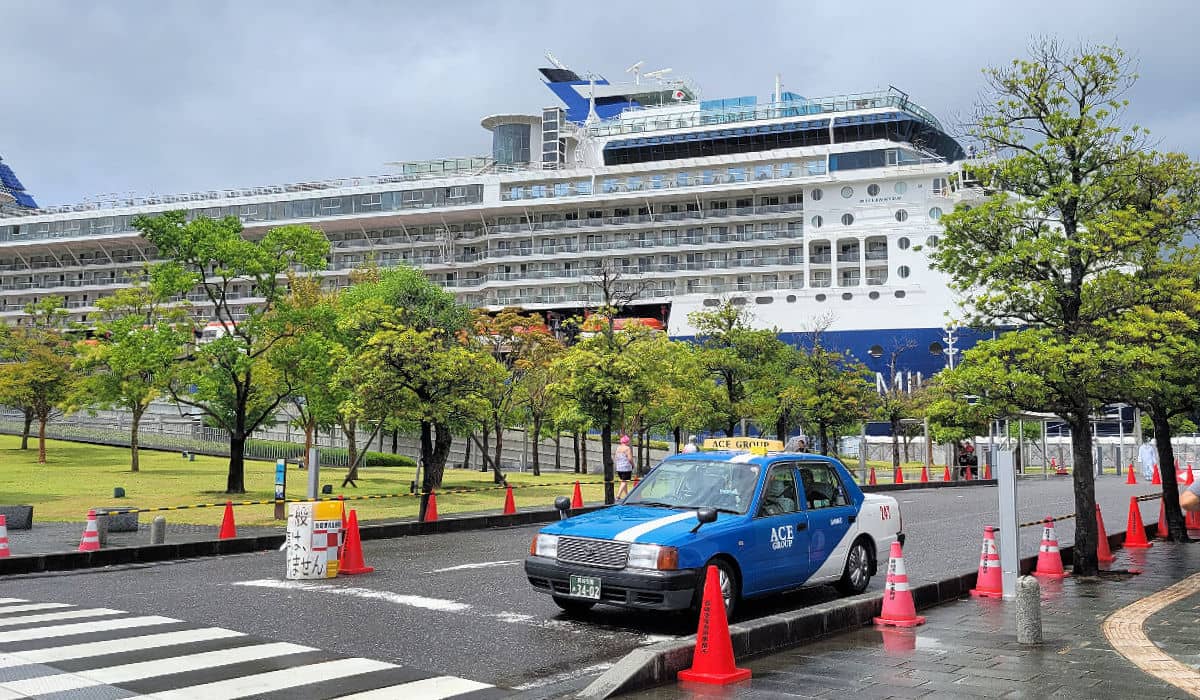
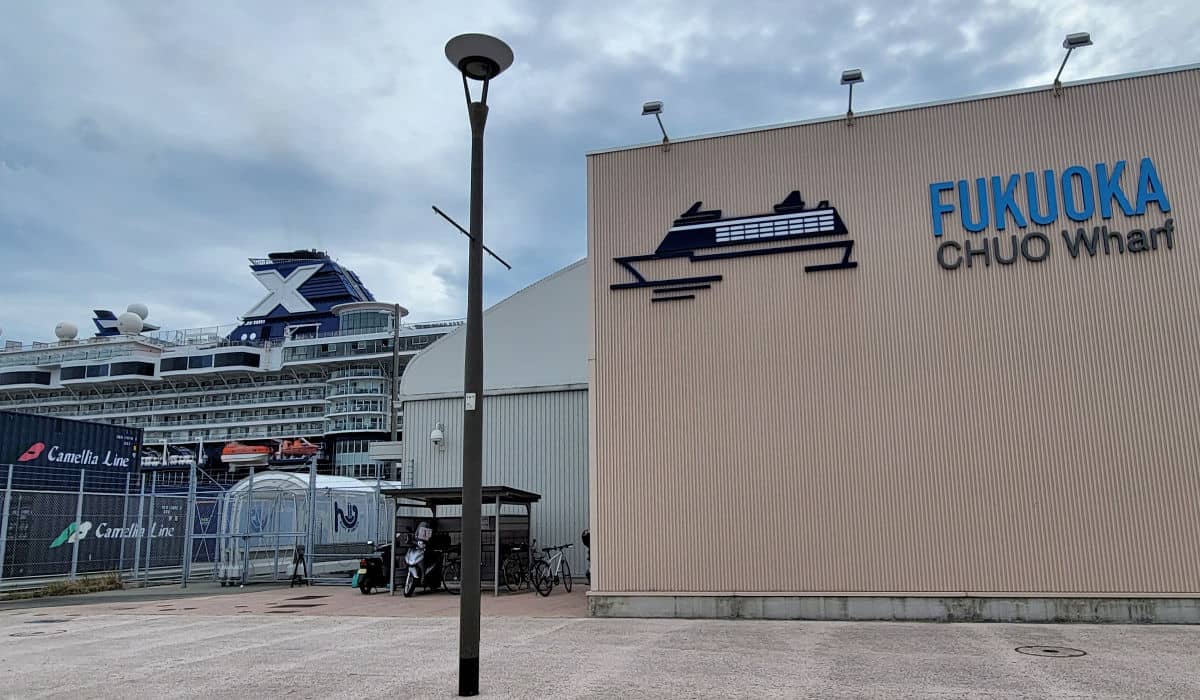
Fukuoka Cruise Port, also known as Hakata Port, is a popular stop for cruise guests exploring Japan’s southern island of Kyushu. Located in Fukuoka Prefecture, we stopped at this port on a Celebrity Cruise around…
Docking at the port of Osaka gives access to this city and Kyoto, Nara, and Kobe on day trips. Some ships dock overnight as we did on our Japan itinerary on the Celebrity Millennium, allowing…
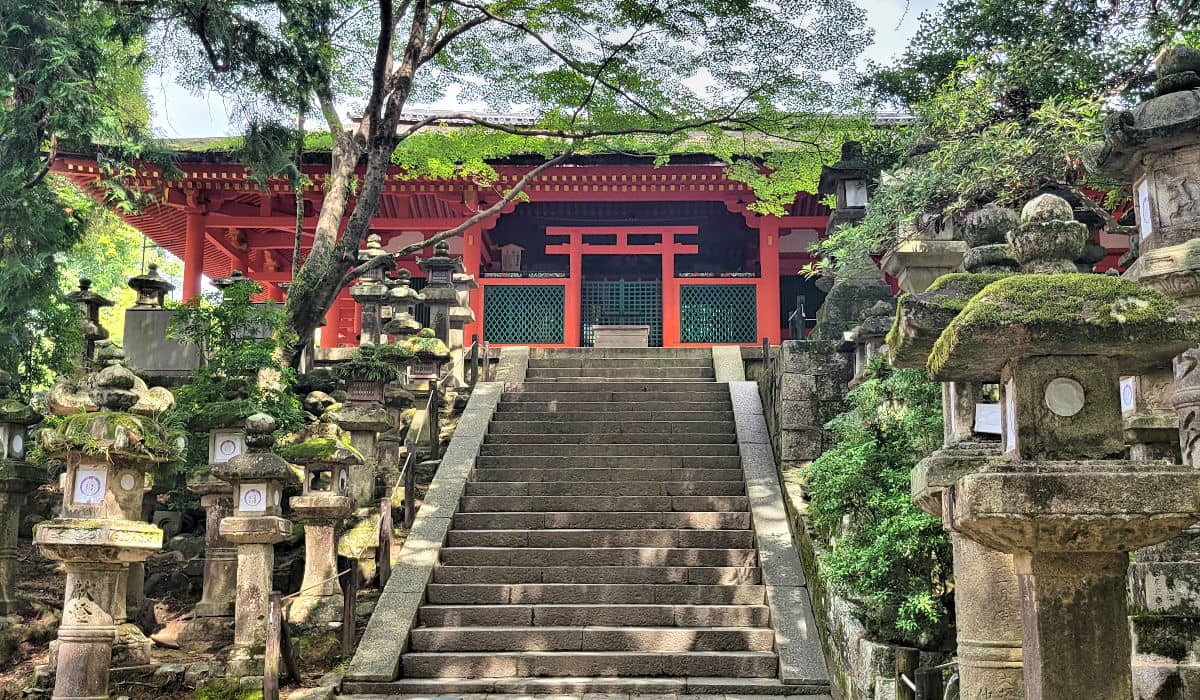
Nara, the ancient capital of Japan, is a captivating destination just a stone’s throw away from bustling Osaka. We explored this historical gem on a 12-day Asia cruise on the Celebrity Millennium. While we enjoyed…
Located just south of Tokyo, the Yokohama cruise port is Japan’s premier gateway for cruises around Japan and other Asian destinations. The Osanbashi Pier, a significant part of Yokohama’s history, has been operating as a…
Some ships dock in Shimizu port when taking a cruise to or from Japan. If the conditions are right, this destination offers the best views of Mt Fuji. Shimizu city is a short distance from…
Miyajima Island, scenic Shukkeien Garden, and a rich history await when arriving at the Hiroshima cruise port. This port is located on Japan’s Seto Inland Sea. A day here provides convenient access to iconic landmarks…
Celebrity Millennium, once offered itineraries to Alaska, now provides cruises in Asia. We selected a Japan itinerary that included a stop in Busan, South Korea, and …